

Children thrive when learning feels natural, joyful, and connected to real life. At KenCrest, our Early Intervention program and Early Learning Centers prioritize daily routines as the foundation for growth, because children learn best in the context of everyday experiences. Play remains a powerful tool, it is woven into these routines to make learning motivating and meaningful.
Research shows that children develop skills most effectively when learning happens during familiar activities. Routines like mealtime, bath time, and neighborhood walks provide predictable, comforting opportunities to practice communication, motor skills, and social interaction. For children with developmental delays, these routines offer structure and security while reinforcing independence and confidence.
Play is still essential, but it works best when integrated into real-life moments. Pretend cooking during meal prep can build language skills. Singing during bath time supports sensory regulation. Counting steps on a walk encourages early math concepts. By embedding play into routines, children experience learning as part of their world, not as a separate task.
How KenCrest Brings This Approach to Life
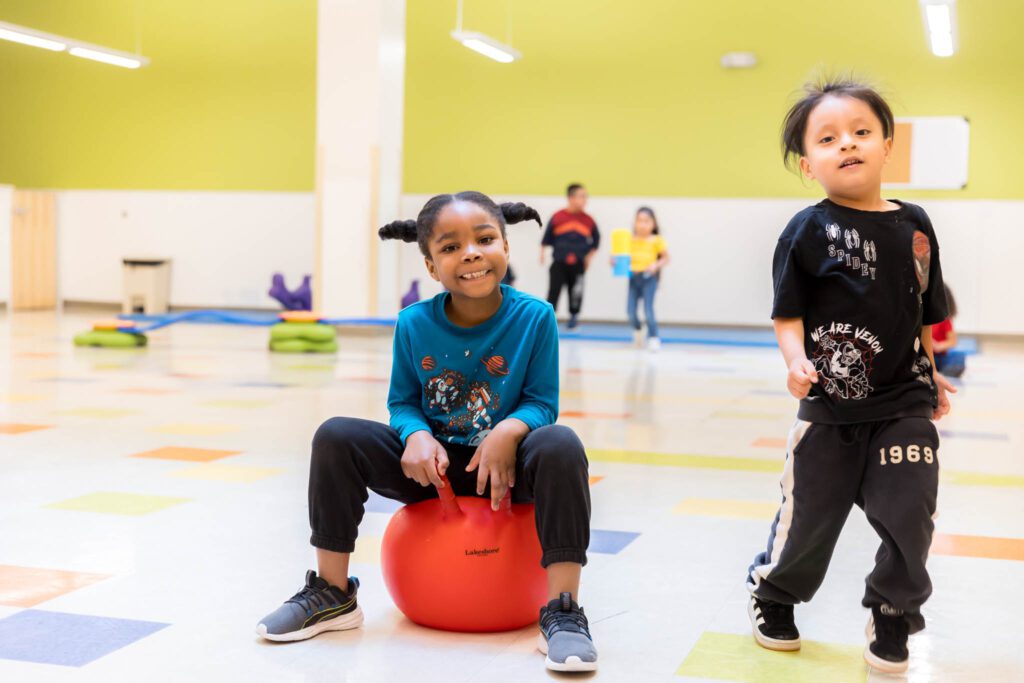
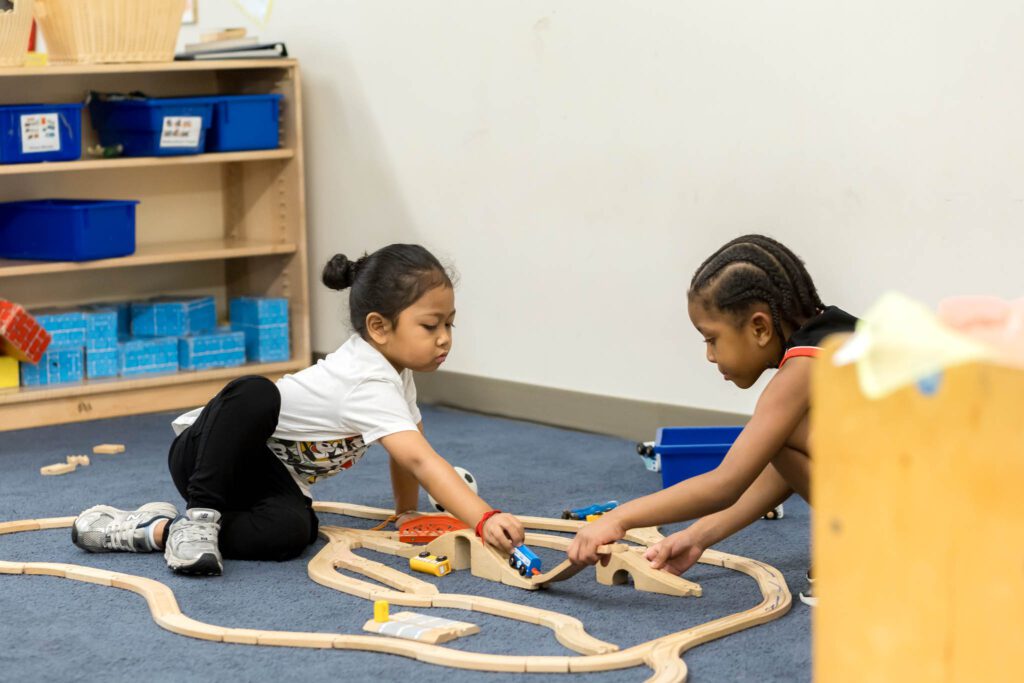
KenCrest specialists design goals around everyday activities, using play as a natural motivator. Instead of isolated drills, we turn routines into opportunities for growth, using music during transitions to support sensory needs, and telling stories stacking toys during cleanup to strengthen motor planning, music during transitions to support sensory needs, and storytelling during naptime to encourage communication. Our classrooms foster inclusion by blending structured routines with guided and free play, so children of all abilities learn empathy, problem-solving, and teamwork while practicing habits that build independence.
We also partner with caregivers to transform ordinary moments into learning experiences. Setting the table becomes a chance to count and sort. Bath time becomes a sensory exploration. Walks become language-rich adventures. These strategies strengthen family bonds and reinforce developmental progress. Play is not a reward, it’s a tool within a broader, routine-based approach. Our goal is to ensure every child, especially those with developmental delays, experiences early childhood as a time of joy, curiosity, and discovery rather than stress or pressure.
Combining routines with play supports cognitive growth, language development, emotional regulation, and social skills, all critical for school readiness and lifelong success. For children with developmental delays, this method reduces anxiety, promotes inclusion, and builds confidence in real-world settings. When adults understand that play and routines work hand in hand, we create environments where children grow naturally and confidently. At KenCrest, we harness the power of everyday moments, infused with play, to help each child thrive, build meaningful skills, and experience the joy of discovery. Because when learning feels like fun, every child has the opportunity to flourish.
Ready to Learn More?
Everyday routines can unlock incredible opportunities for growth, and you don’t have to do it alone.
Explore KenCrest’s Early Intervention services and Early Learning Centers to see how we partner with families to make learning joyful, meaningful, and accessible for every child.
Read More Stories From KenCrest









Let's Keep in Touch
Join the KenCrest team and stay updated on the latest news in the disability community, inspiring stories, and ways you can help us make a difference in the lives of people with an intellectual or developmental disability.