
When people hear the word "Lifesharing," they often picture one specific arrangement. But Lifesharing isn't a one-size-fits-all model.
At its heart, Lifesharing is about something much simpler: relationships, belonging, and creating a life where people are connected to family and community. What that looks like can vary from person to person, family to family, and situation to situation.
At KenCrest, Lifesharing takes many forms, including traditional Lifesharing, biological Lifesharing, and medically complex Lifesharing. While each model is different, they all share one belief: everyone deserves to live in a place where they are known, valued, and supported.
Traditional Lifesharing: Becoming Part of a Family
For many individuals, traditional Lifesharing means joining a host family and sharing in everyday life together.
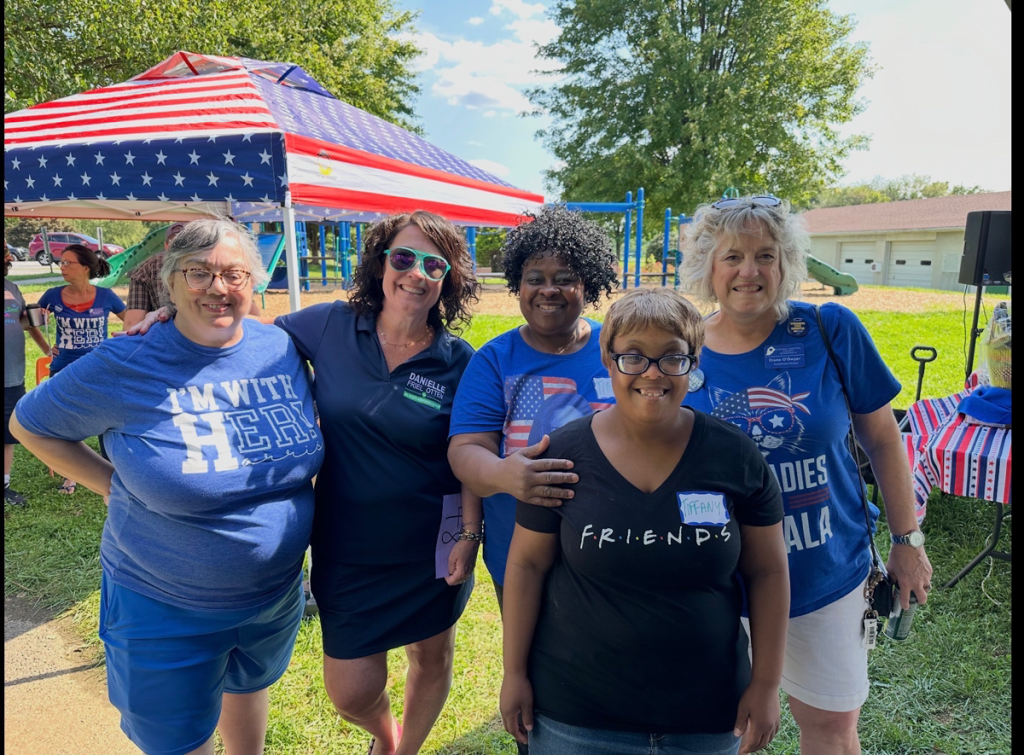
It isn't about a program or a service. It's about the moments that make a house feel like home, sharing meals, celebrating birthdays, attending community events, and supporting one another through life's milestones.
Families who participate in traditional Lifesharing often describe the experience as mutually rewarding. Relationships grow over time through shared routines, trust, and genuine connection. What begins as an opportunity to provide support often becomes an extended family relationship.
Biological Lifesharing: Supporting Families Already Providing Care
Not every Lifesharing story involves a new family.
In biological Lifesharing, family members continue supporting a loved one while receiving resources and assistance that help make that care sustainable for the long term.
Many families have spent years providing daily support and know their loved one best. Biological Lifesharing recognizes those existing relationships and helps strengthen them by providing services that support stability, independence, and quality of life.
For families, it can mean continuing to care for a son, daughter, sibling, or other relative while receiving additional support that helps everyone thrive.
Medically Complex Lifesharing: Care, Connection, and Possibility
Some people assume that individuals with significant medical needs have limited living options.
Medically complex Lifesharing challenges that assumption.
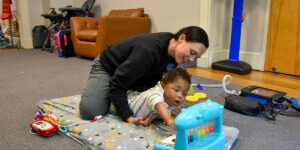
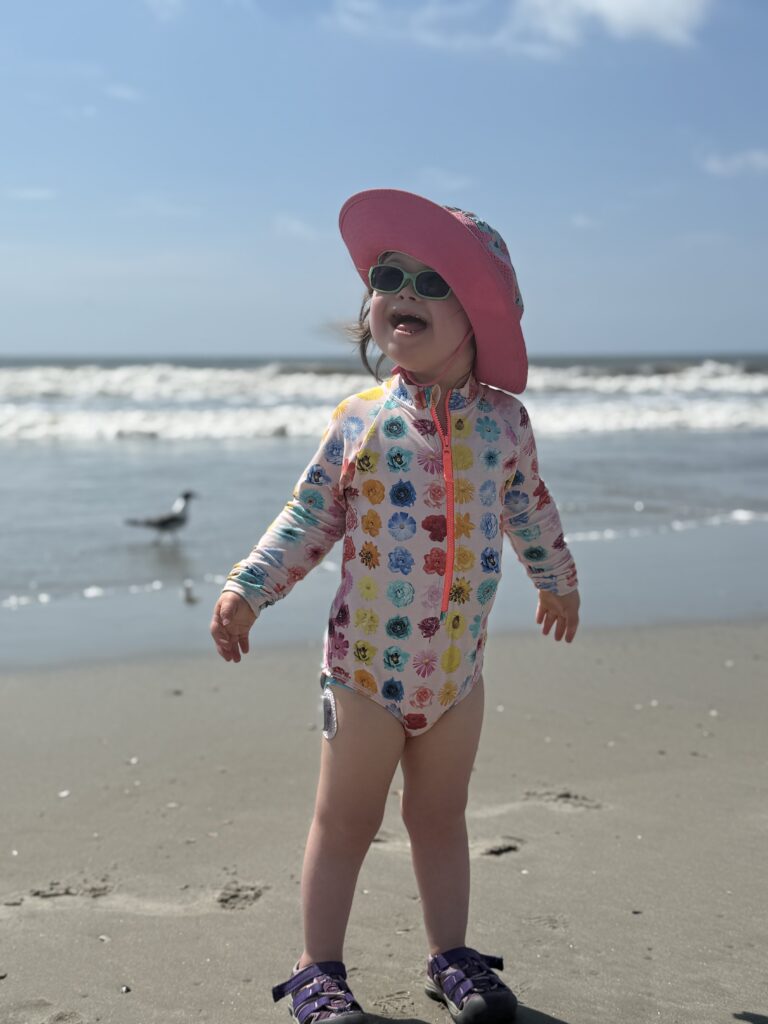
Amanda and John discovered this firsthand while caring for their daughter, Fern, who was born with Down syndrome and experienced significant medical challenges that required extended hospital stays and ongoing specialist care. Through their journey, they learned that family-centered support and medically complex care can coexist, creating opportunities for individuals to live in nurturing home environments rather than more institutional settings.
Medically complex Lifesharing combines the clinical supports individuals may need with the relationships, routines, and sense of belonging that come from living as part of a family.
It demonstrates that medical needs do not define a person's ability to experience connection, community, and a meaningful life.
Different Paths, Shared Values
Every Lifesharing relationship looks different.
Some individuals join a host family. Others continue living with relatives who have supported them throughout their lives. Some require significant medical care, while others need support navigating daily living and community participation.
What connects all of these experiences is not the type of Lifesharing arrangement. It's the relationships.
Lifesharing is built on the idea that every person deserves more than a place to live. They deserve opportunities to build connections, participate in their communities, pursue their goals, and experience the comfort of belonging.
There is more than one way to Lifeshare, but every path begins with the same thing: people supporting one another and building meaningful lives together.