
When families begin thinking about residential support, they often start with a simple but important question:
What will life look like in the future?
The answer is different for everyone.
Some people dream of living independently in their own apartment. Others want the connection and stability of a shared home. Some thrive in a family setting where relationships and routines become part of daily life. What matters most is finding an environment that reflects the person's goals, preferences, and vision for the future.
At KenCrest, residential supports are built around that belief. Rather than fitting people into a program, we work alongside each person and their support network to explore options that align with their strengths, interests, and needs.
The Meaning of Home Has Evolved
A generation ago, people with intellectual and developmental disabilities often had limited choices about where and how they lived. Today, expectations are different and rightly so.
People want the same things everyone wants: meaningful relationships, opportunities to grow, connection to their communities, and the freedom to make choices about their own lives.
Residential support is no longer just about providing a place to live. It's about creating opportunities for people to build a life that feels meaningful to them.
That might mean developing new skills, building friendships, pursuing employment, volunteering, exploring hobbies, spending time with family, or simply having a greater say in everyday decisions.
Different Paths, Same Goal
Every person's journey is unique, which is why residential support can look different from one person to the next.
Community Living Homes
Some people benefit from a home environment that offers more structured support while still being connected to the community.
KenCrest's Community Living Homes are located in neighborhoods throughout Pennsylvania, Delaware, and Connecticut. These homes provide individualized support while helping people build relationships, participate in their communities, and pursue personal goals. The focus remains on creating a home where each person feels respected, supported, and valued for who they are.
Lifesharing
For others, home means becoming part of a family.
Through Lifesharing, people live with a host family or their own family who share not only their home but also the experiences and routines of everyday life. Lifesharing is built on relationships, connection, and belonging.
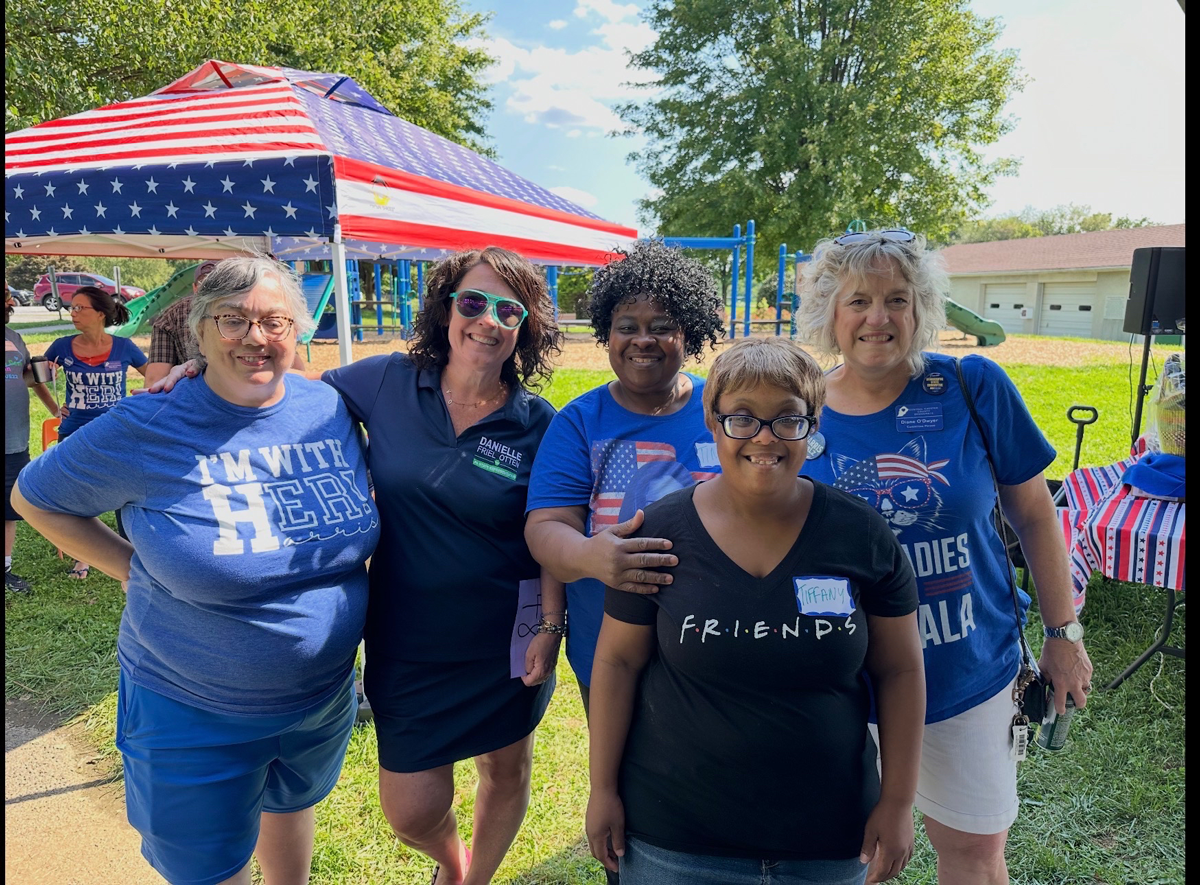

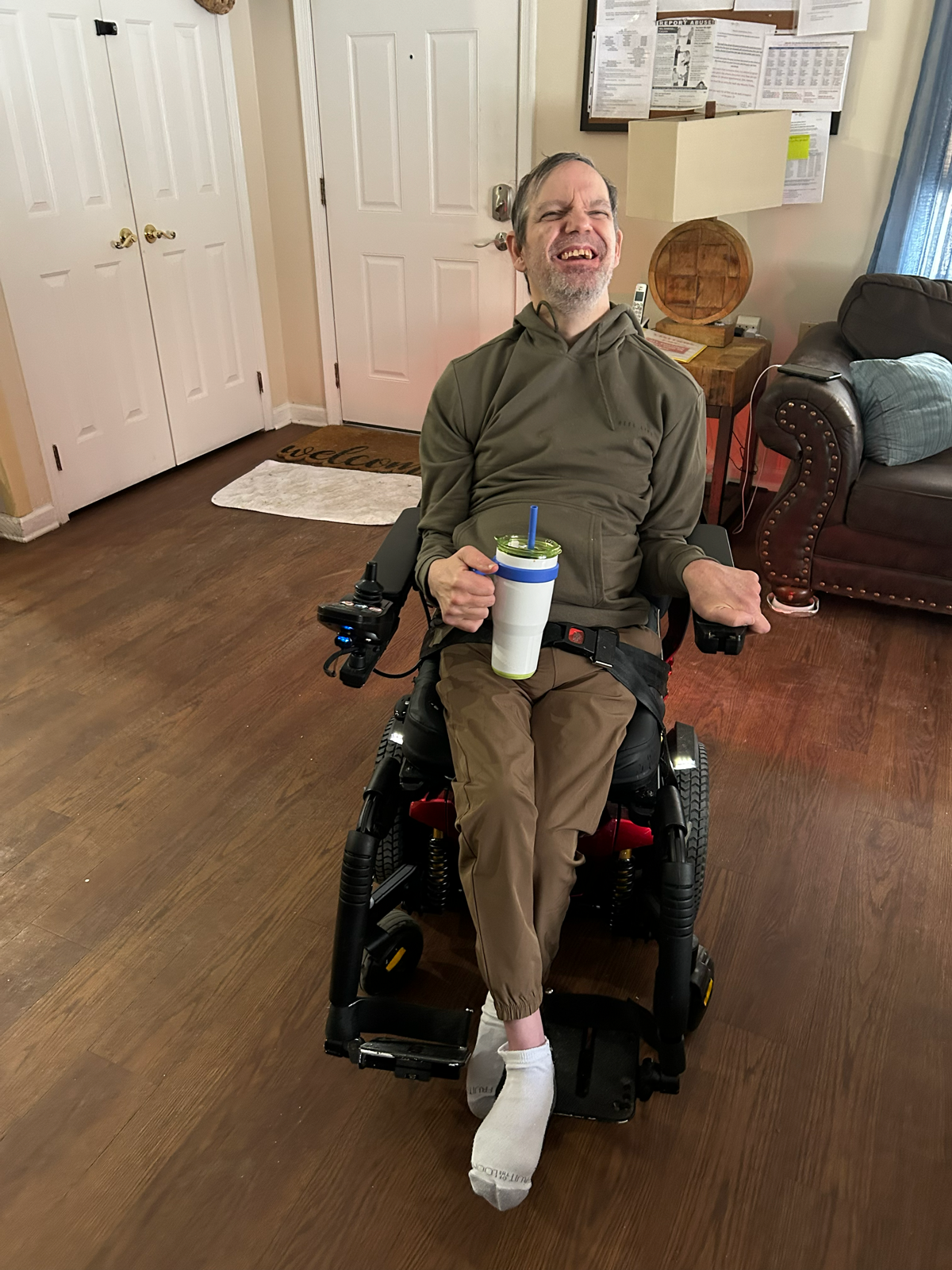
Families often appreciate that Lifesharing strengthens existing relationships rather than replacing them. Birth families continue to play an important role while additional support is added around the person's life, goals, and community connections.
Supported Independent Living
Some people want greater independence while still having access to support when they need it.
Supported Independent Living helps adults live in homes of their choosing while receiving personalized support tailored to their goals and daily lives. Supports may include assistance with transportation, community participation, daily routines, budgeting, employment goals, and other areas that help people build the life they want.
It's Not About Where You Live. It's About How You Live.
When people talk about residential supports, the conversation often focuses on housing.
But the most important question isn't where someone lives.
It's how they want to live.
Do they want to build new friendships? Learn new skills? Become more independent? Strengthen community connections? Pursue employment? Spend more time doing the things they enjoy?
The right residential support creates opportunities for those goals to grow.
Success looks different for everyone. For one person, it may be learning to manage their own schedule. For another, it may be becoming more active in the community. For someone else, it may be finding a home environment where they feel connected, supported, and understood.
The common thread is choice.
Planning for the future starts today. Exploring residential options is rarely about making a quick decision.
For many families, it is about learning what possibilities exist and considering what will help their loved one thrive both now and in the future.
Starting the conversation early can create more opportunities to explore options, build skills, and develop a plan that reflects the person's own goals and aspirations.
Because finding the right home isn't about fitting into a system.
It's about creating a life built around relationships, belonging, independence, and possibility.
Explore What's Possible
Whether you're considering Community Living, Lifesharing, or Supported Independent Living, KenCrest can help you understand your options and find the support that feels right for your family's goals.
Read More Stories From KenCrest








Let's Keep in Touch
Join the KenCrest team and stay updated on the latest news in the disability community, inspiring stories, and ways you can help us make a difference in the lives of people with an intellectual or developmental disability.