
Every person has goals, routines, interests, and dreams that are uniquely their own. For some, that might mean preparing meals independently, remembering daily medications, staying connected with family, succeeding at work or school, or simply feeling more confident navigating everyday life.
Sometimes, the right support can help make those goals easier to reach.
During Assistive Technology Awareness Month, it's important to recognize how assistive technology can help people build independence, increase choice, and participate more fully in the activities that matter most to them.
It Starts With the Person, Not the Technology
When people hear the term "assistive technology," they often think of complex devices or expensive equipment. In reality, assistive technology can be anything that helps a person complete tasks more easily, safely, or independently.
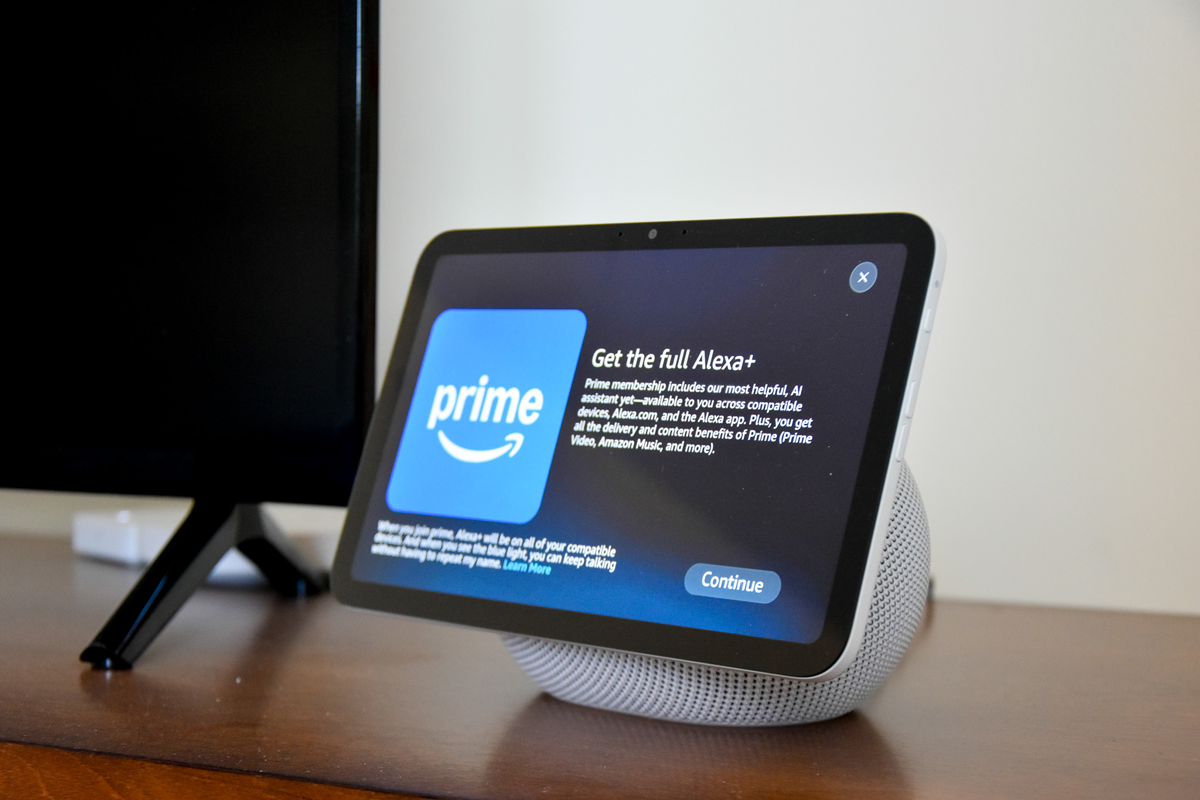
It might be a voice assistant that provides reminders throughout the day. It could be a tablet that supports communication, a smart home device that makes it easier to control lights and doors, or a simple app that helps someone stay organized and manage daily routines.
What makes assistive technology meaningful isn't the technology itself. It's what that technology makes possible.
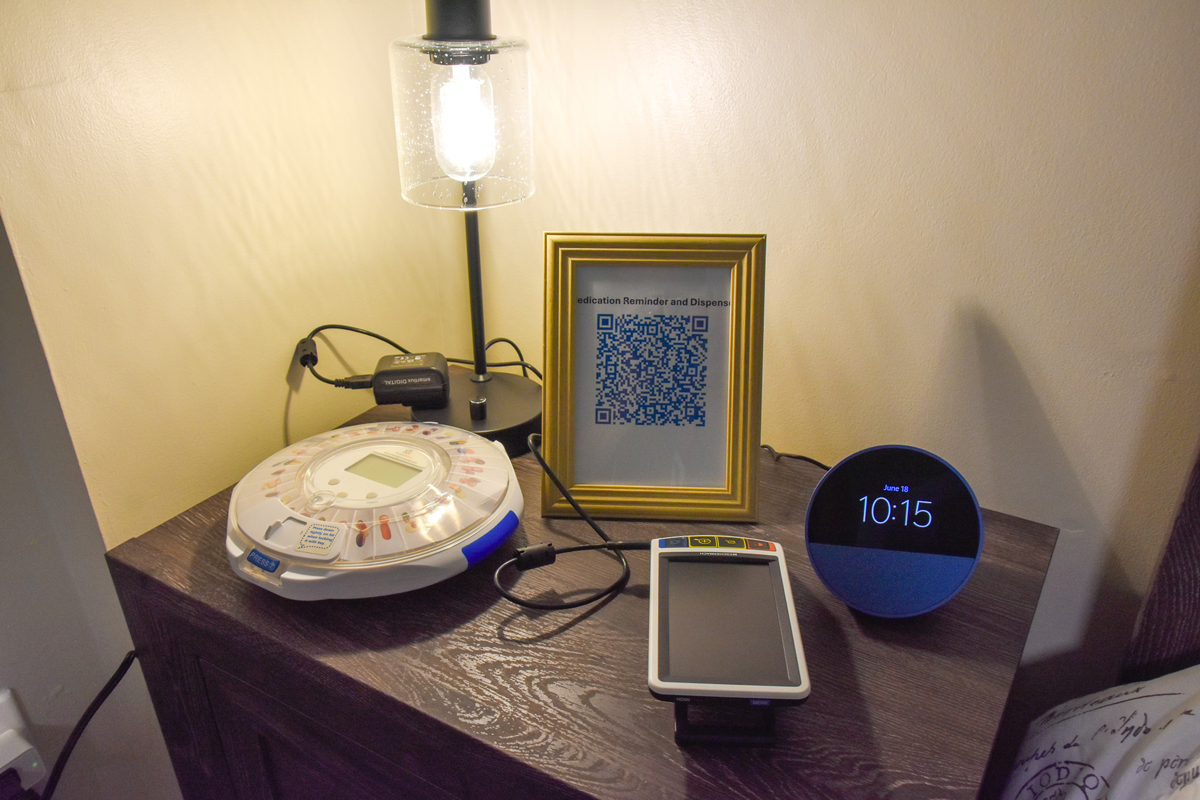
A reminder system becomes a way for someone to manage medications independently. A communication device becomes a tool for building relationships and expressing choices. A smart home feature becomes an opportunity for greater privacy, confidence, and self-direction.
The focus should never be on the device. The focus should always be on the person using it. This perspective reflects KenCrest's person-centered approach, which begins with an individual's goals and identifies technology that supports those outcomes.
Creating More Opportunities for Choice
For many people with intellectual and developmental disabilities, assistive technology can help remove barriers that stand between them and greater independence.
Technology can support:
- Managing daily routines
- Staying connected with family and friends
- Participating in the community
- Pursuing education and employment goals
- Improving safety at home
- Communicating preferences, needs, and ideas
Every person's goals look different. Because of that, there is no one-size-fits-all solution.
The most successful technology solutions are those that reflect an individual's strengths, preferences, and lifestyle. That's why person-centered assessments, opportunities to try different tools, and ongoing support are so important. When technology is matched to a person's goals and introduced thoughtfully, people are more likely to use it successfully and experience meaningful outcomes.

Building Confidence Through Everyday Success
One of the most powerful benefits of assistive technology is that it often supports something much bigger than a single task.
A person who gains confidence using technology to navigate a daily routine may feel more comfortable trying new activities. Someone who can independently manage reminders may begin taking on additional responsibilities. A student who receives the right assistive technology may feel more prepared to pursue educational goals.
These moments may seem small, but they can add up to greater self-confidence, autonomy, and quality of life.
Assistive technology does not replace human connection, relationships, or support networks. Instead, it works alongside them, creating new opportunities for people to exercise choice, build skills, and live more independently.
Looking Beyond What's Possible Today
Technology continues to evolve, creating new opportunities for people to live, learn, work, and participate in their communities. But the future of assistive technology isn't really about innovation. It's about inclusion.
It's about ensuring people have access to tools that help them pursue their goals and live the lives they choose.
This Assistive Technology Awareness Month, let's celebrate the possibilities that emerge when people have access to the right supports, the right opportunities, and the freedom to define independence for themselves.
Explore What's Possible
KenCrest's Enabling Technology program helps individuals, families, caregivers, and professionals discover technology solutions that support greater independence, safety, communication, and community participation. Through person-centered assessments, hands-on experiences, training, and ongoing support, individuals can find tools that fit their goals and everyday lives. Learn more about KenCrest's Enabling Technology program and the possibilities assistive technology can create.
Read More Stories From KenCrest









Let's Keep in Touch
Join the KenCrest team and stay updated on the latest news in the disability community, inspiring stories, and ways you can help us make a difference in the lives of people with an intellectual or developmental disability.