

Every person deserves to feel connected, valued, and included. On World Mental Health Day, we are reminded that mental health is influenced not only by access to care, but also by the relationships we build, the choices we make, and the communities where we belong.
Mental and emotional well-being can be strengthened by having people who care about us, opportunities to pursue our goals, and meaningful ways to participate in everyday life. These are things everyone needs to thrive, including people with intellectual and developmental disabilities.
Over the years, KenCrest has shared stories of people celebrating important milestones, from getting engaged and welcoming a new baby to starting a job, moving into their own home, or becoming more involved in their community. While each person’s journey is unique, these moments reflect experiences that can positively shape well-being: connection, confidence, purpose, and belonging.
Relationships, Purpose, and Community
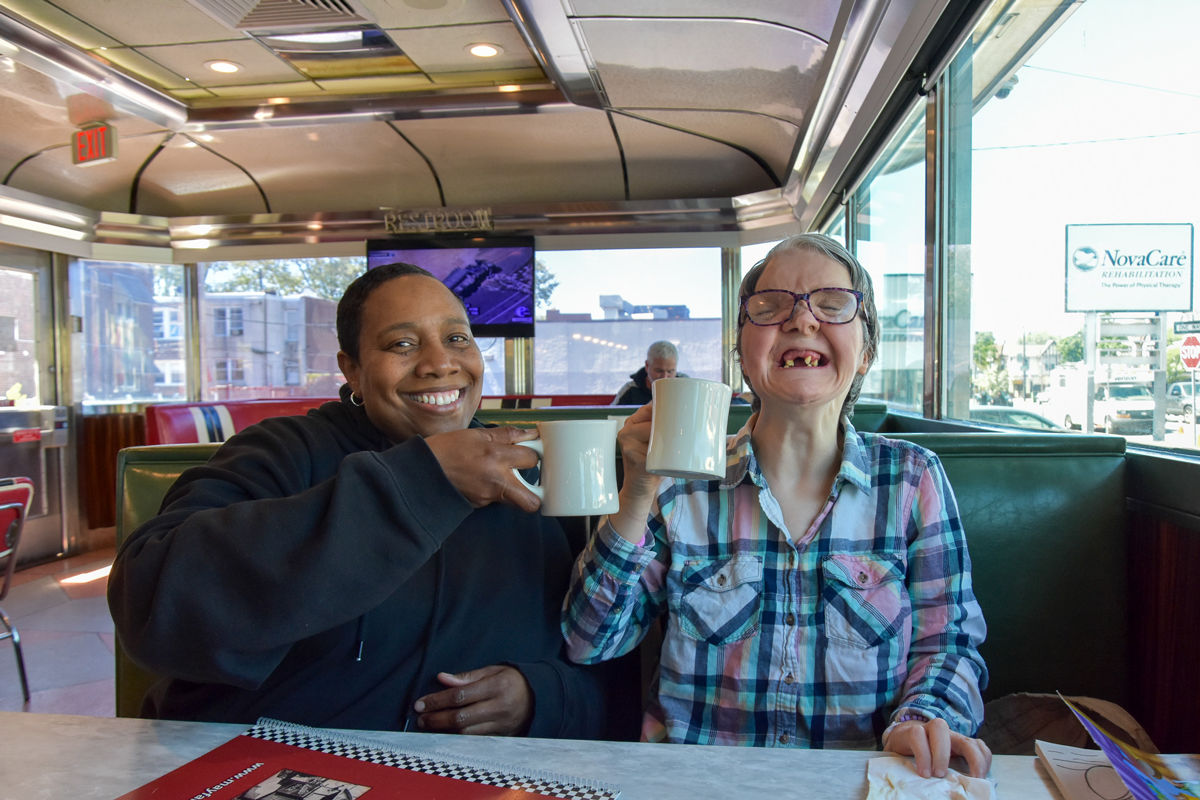
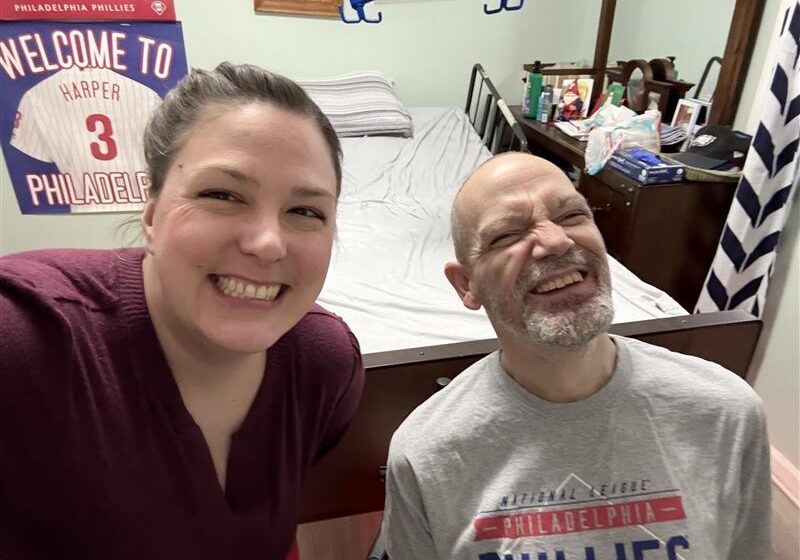
Strong relationships can provide comfort, encouragement, and a sense of security. Having people who know you, listen to you, and celebrate life’s milestones with you can help you feel supported through both joyful and challenging moments.
In Lifesharing, these connections grow through everyday experiences and meaningful relationships. People share meals, celebrate accomplishments, explore their communities, and build lives alongside those who matter to them. We have seen people celebrate engagements, grow their families, and create lasting relationships that extend far beyond the home.
Mental well-being is also connected to having choice and control over your own life. For one person, that may mean moving into an apartment and creating a space that feels like home. For someone else, it may mean learning a new skill, navigating public transportation, managing a daily routine, or deciding how they want to spend their time.
Having meaningful ways to spend the day matters, too. Employment, volunteering, classes, hobbies, and community activities give people opportunities to contribute, build relationships, and be recognized for their strengths. A job can provide more than a paycheck. A class can offer more than a new skill. A community outing can become the beginning of a new friendship.
These experiences should not be viewed simply as items on a schedule or goals on a service plan. They are parts of a full life. They can nurture confidence, reduce feelings of isolation, and help someone feel known for who they are and what matters to them.
World Mental Health Day also reminds us that everyone faces challenges, and seeking help when it is needed is a sign of strength. Mental health support is important, but promoting well-being also means creating communities where people feel welcomed, respected, and free to be themselves.
When people have meaningful relationships, choices about their lives, opportunities to pursue their interests, and places where they feel they belong, they are better positioned to thrive.
This World Mental Health Day, consider how you can help strengthen that sense of belonging. Reach out to someone in your community. Extend an invitation. Listen without judgment. Support inclusive workplaces and activities. Even a small action can help another person feel seen, valued, and connected.
Because belonging is not just good for mental health. It is something everyone deserves.
Everyone deserves support when life’s challenges arise. Explore KenCrest’s Clinical Services to learn how person-centered care can support the mental and emotional well-being of individuals and families.
Read More Stories From KenCrest









Let's Keep in Touch
Join the KenCrest team and stay updated on the latest news in the disability community, inspiring stories, and ways you can help us make a difference in the lives of people with an intellectual or developmental disability.