

Moving into your own home is a major milestone. For adults with intellectual and developmental disabilities, it can bring new opportunities to make choices, build confidence, and shape everyday life around what matters to them.
KenCrest’s Supported Independent Living program, also known as SIL, helps adults with intellectual and developmental disabilities live in a home and community of their choosing. Each person receives flexible support based on their abilities, needs, and goals, allowing them to live more independently without having to navigate everything alone.
If someone in your family is considering a more independent living arrangement, here are five things to know.
1. Independence looks different for every person
Living independently does not have to mean doing everything without assistance.
Through Supported Independent Living, adults with intellectual and developmental disabilities receive support with the parts of daily life where they need it. This may include meal planning, grocery shopping, home maintenance, money management, medical appointments, communication with healthcare professionals, and participation in the community.
The amount and type of support are based on the individual. One person may want help planning meals, while another may need assistance getting to an appointment or managing household responsibilities. The goal is not to take over. It is to help each person exercise greater choice and control in their life.
2. People can practice independent living before moving
A person may want their own home but still feel unsure about the transition. Families may also wonder how their loved one will manage routines, responsibilities, and time alone.
KenCrest’s Stepping Stones Transitional Housing Program gives people an opportunity to practice independent living in a supportive setting. Participants can work on skills such as preparing simple meals and spending time independently while their team checks on their progress and helps identify the supports they may need.
The experience is centered on the person’s readiness and goals. It can help the individual and their family better understand what is working, what still requires practice, and whether Supported Independent Living is the right next step.

3. The person helps choose where they live
A home should reflect the person living there.
People participating in Supported Independent Living may live in a property owned or leased by KenCrest, or in a home they rent or own. They can receive assistance from a licensed real estate agent approved by KenCrest to find an option that fits their preferences, needs, and budget.
The search is about more than the apartment itself. The person can consider the kind of community they want, including whether the home is close to work, family, friends, or places they visit regularly.
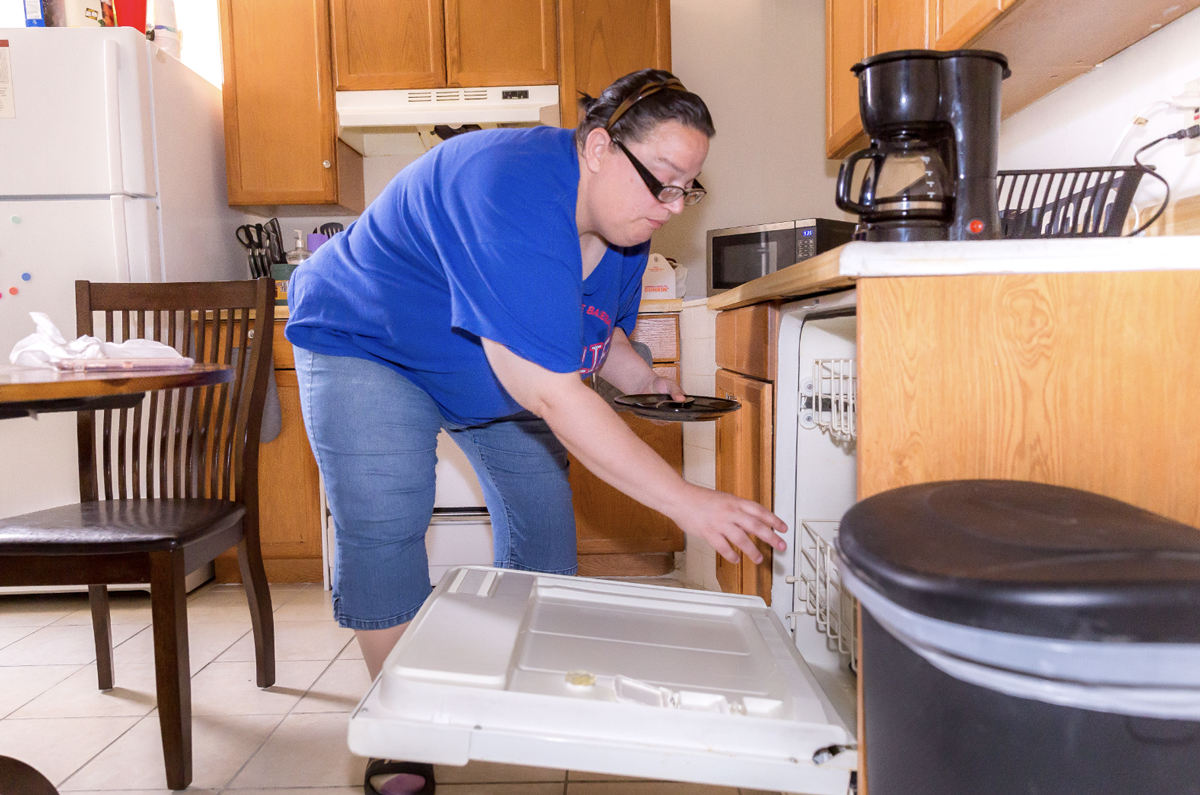
For Deanna, having her own apartment meant having the freedom to decorate her space, enjoy quiet time, and live with greater privacy after spending nine years in a Community Living home. Her goal guided the transition.

4. Technology can support everyday independence
The right technology can make routines safer, easier, and more manageable without unnecessarily limiting a person’s independence.
KenCrest’s Enabling Technology team meets with each person to assess their needs and explore devices that may help them achieve their independent living goals. Options may include voice assistants, emergency response services, automated cleaning devices, and tools for controlling household features.
Deanna uses an Amazon Echo to set reminders for tasks such as taking out the trash and putting away clean clothes. Patricia uses an automated vacuum and mop, along with a phone app that allows her to control the lights in her home. These tools support each woman differently because they were selected around her individual needs.
5. The support plan starts with the person
Supported Independent Living is not a standard package applied to everyone.
The planning process begins with the person’s vision for their life. KenCrest’s team uses a person-centered LifeCourse plan to help the individual identify their personal goals and desired outcomes. The individual, their family, and their support team can then consider what assistance will help make those goals possible.
That support can change as the person develops new skills, encounters new challenges, or sets new goals. The focus remains on helping the person live on their own terms while maintaining access to the assistance they need.
Supporting the life each person chooses
For adults with intellectual and developmental disabilities, Supported Independent Living can offer more than a different place to live. It can create opportunities to make everyday decisions, strengthen skills, connect with neighbors, and create a space that feels like their own.
For families, learning about the available housing, technology, planning, and personal supports can make the possibility of independent living feel more understandable.
Most importantly, the process begins by listening to the person: where they want to live, what independence means to them, and what would help them feel confident in their own home.
Interested in learning more?
Explore KenCrest’s Supported Independent Living program and learn how personalized support can help an adult with an intellectual or developmental disability pursue their goals at home and in the community.
Read More Stories From KenCrest









Let's Keep in Touch
Join the KenCrest team and stay updated on the latest news in the disability community, inspiring stories, and ways you can help us make a difference in the lives of people with an intellectual or developmental disability.