
For over 120 years, KenCrest has supported community development by exploring possibilities, mobilizing resources, and empowering dreams for those with developmental and intellectual disabilities.
From helping people suffering from tuberculosis to assisting people with disabilities in achieving a meaningful, independent life, KenCrest is and always will be about the people.
To celebrate KenCrest's 121st Anniversary, stroll down memory lane and discover our incredible journey throughout history.













1903
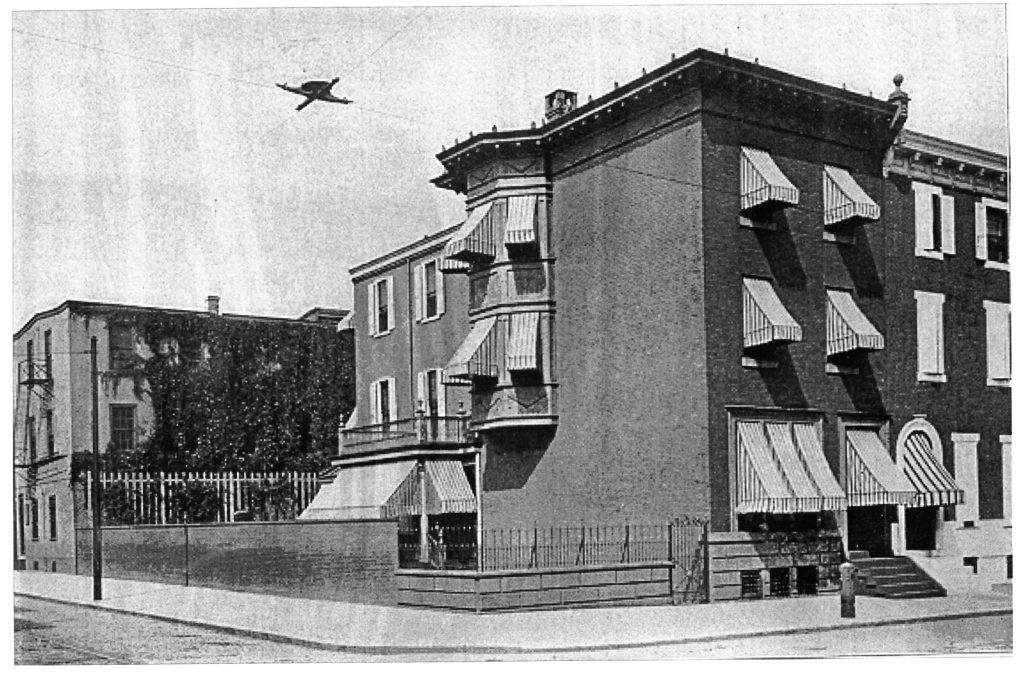
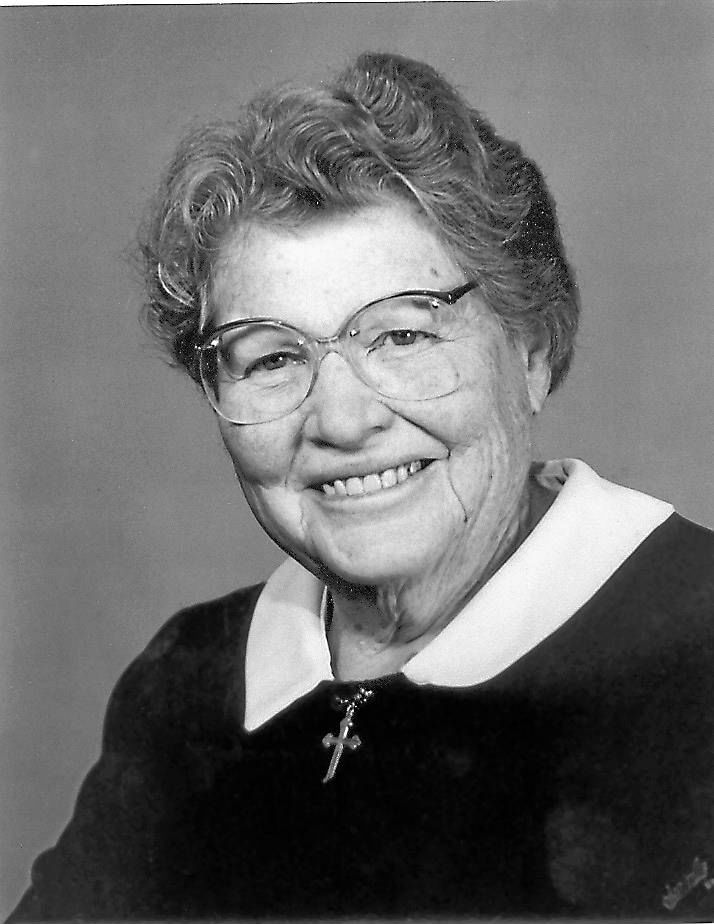
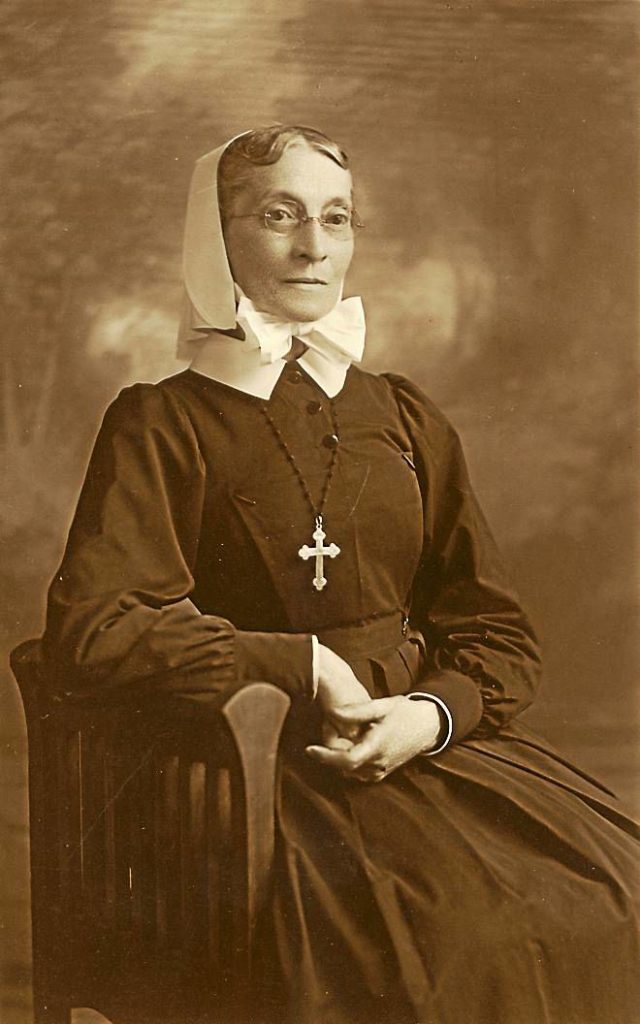
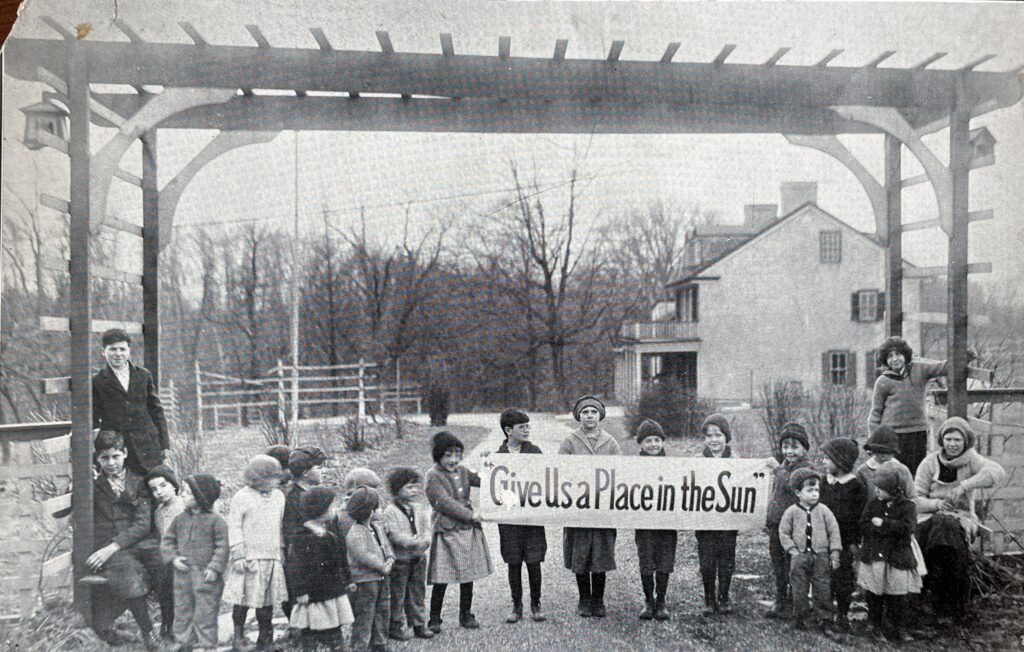
At the turn of the century, Tuberculosis ravaged the United States as the second-longest cause of death in the country, and the aptly named “White Plague” wreaked havoc on Kensington, Pa. To combat the onslaught of disease, Sister Maria Roeck and Rev. August Fischer came together to help those afflicted by providing care.
Sister Maria Roeck, a robust and forceful woman, “was strong enough to survive a man’s world and lead men who were themselves leaders in their own right,” according to “KenCrest: A Story of One Century, Two Missions, Three Pioneers.”
She spent 42 years of her life taking care of her partially disabled mother, and when she passed away, Sister Maria applied to the Lutheran Deaconess Community. With her forceful and direct leadership, Sister Maria earned the respect of numerous doctors and was determined to help those who needed it most.
1906
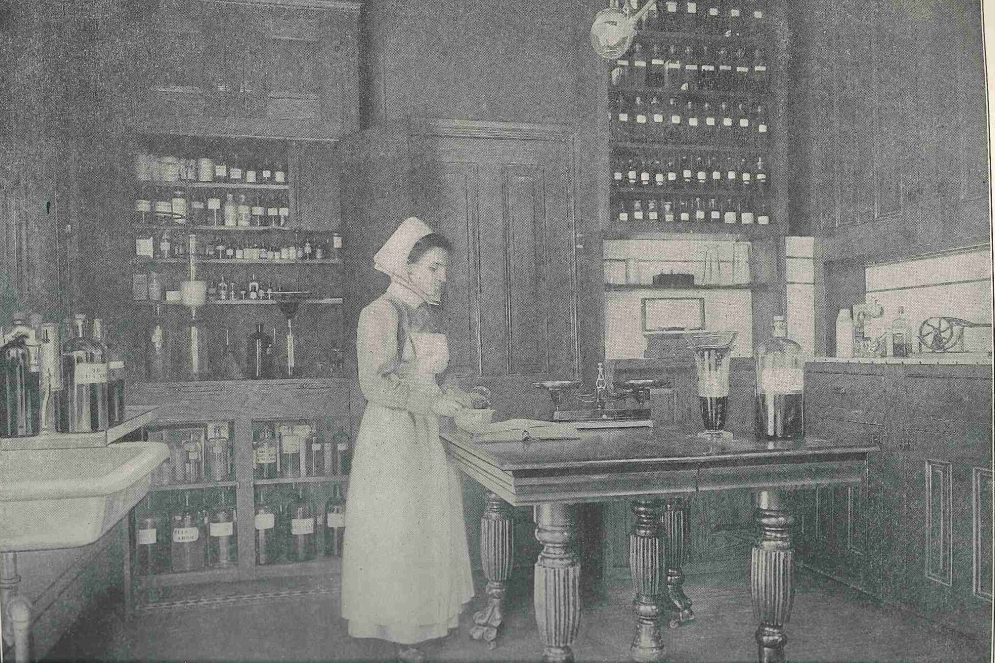
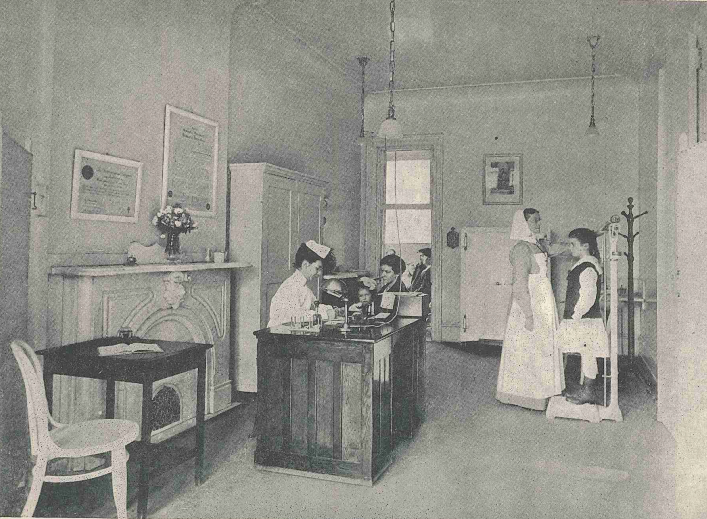
The Kensington Dispensary opened on March 29, 1906, with the help of the Reverend August Fischer of St. Michael Lutheran Church. During its first year, 238 patients registered.
At its start, the dispensary had an all-male board of directors with a women’s auxiliary to socialize funds. But a few months later, Kensington Dispensary’s board changed thanks to the Articles of Incorporation, which allowed the dispensary to care for everyone and introduced a committee led by 15 women of the Evangelical Lutheran Church. Due to this change, KenCrest became a women-run organization for 65 years.
1911
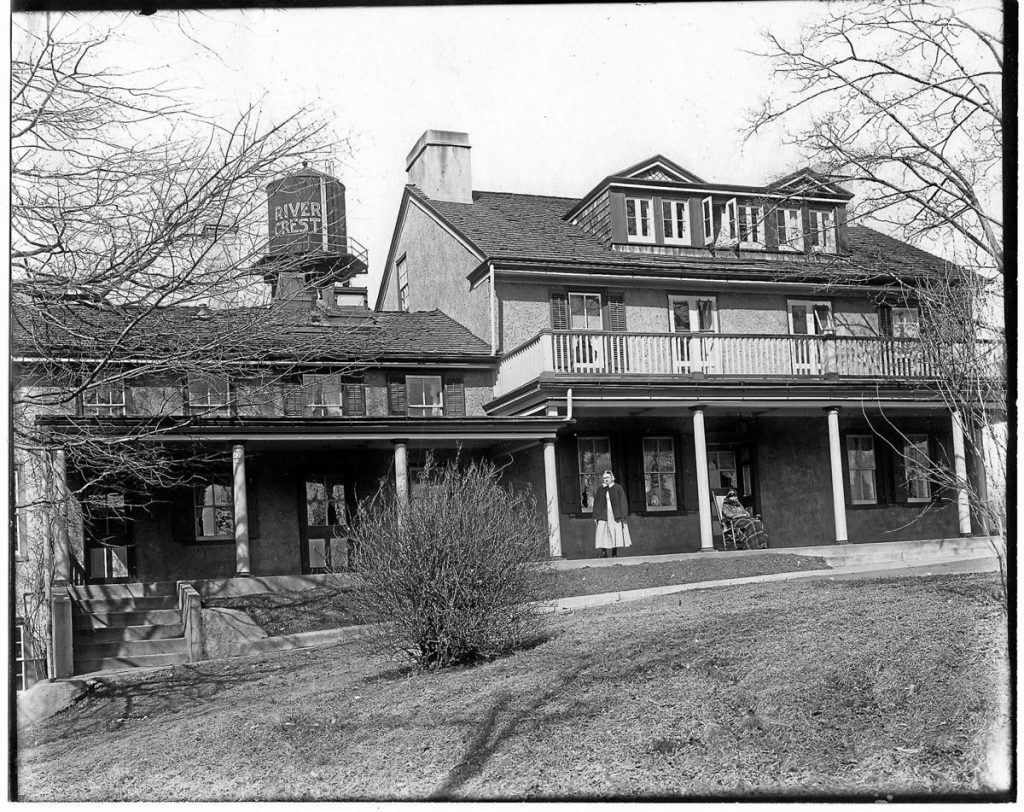
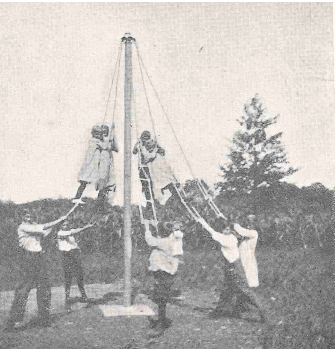
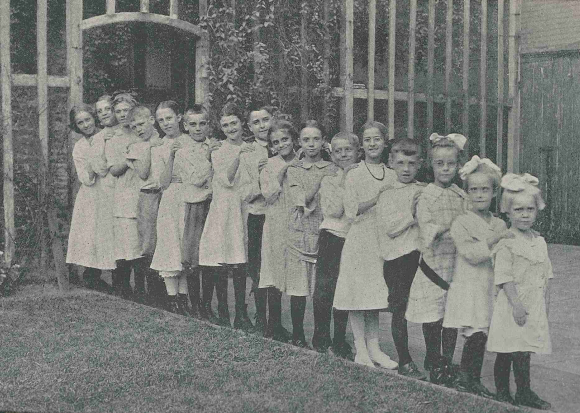
After a few years, many doctors noticed improvements in children who ventured away from the city and enjoyed time on a farm. Their spirits and condition greatly improved. So, Sister Maria and her board decided to buy the Rivercrest farm and turn it into a home and dormitory for children with TB.
1913
Rivercrest opened its doors in August 1913 with its first group of 53 children.
1925
By the end of 1925, Rivercrest cared for more than 2,000 children. At a joint meeting of the Dispensary Board of Managers and the River Crest Committee, they decided to build a new and larger facility. Thus, fundraising campaigns began with the slogan, “Gus us a Place in the Sun.”
1926
With a campaign goal of $200,000, the board engaged Mrs. Currier to lead the campaign. As campaign director, she was able to make this a city-wide campaign.
The campaign encouraged Mayor W. Freeland Kendrick to issue a proclamation. According to KenCrest: A Story of One Century, Two Missions, Three Pioneers, “Now, therefore, I, W. Freeland Kendrick, Mayor of the City of Philadelphia, do hereby set aside the period from April 20 to 30th as the time when each of us should remember the great services of the River Crest Preventorium, and give as generously as possible to the support of its courageous fight against tuberculosis,” reads “KenCrest: A Story of One Century, Two Missions, Three Pioneers.”
On April 30, 350 campaign workers assembled to bring together their final donations, totaling $232,395. Work on the new building began in May 1927.
1929
On April 29, 1929, the brand-new Preventorium building was finished and dedicated in a grand ceremony.
1939
Sister Maria retired from her position, and Sister Bertha Stickel, R.N., took over leading the dispensary through World War II. Sister Bertha ignited the change from helping people with Tuberculosis to assisting people with general health concerns in the poorer Philadelphia communities.
1947
A new Deaconess-In-Charge was appointed, Sister Grace Jones, who improved a mission that endured 50 years. She reshaped an organization that lasted 70 years.
As the third Deaconess, Sister Grace changed the mission from TB to helping people with developmental and intellectual disabilities and their families. She firmly believed in family support and wanted to ensure that it met the needs of the family and the people we support.
It was customary for a person with disabilities to be placed within an institution like Pennhurst during this time. At the same time, children with disabilities raised at home couldn’t attend a public school. Along with many supporters, Sister Grace thought this was wrong and wanted to create normalization around people with disabilities and treat them like any average person.
1955
The Kensington Dispensary became the first non-institutional education program in the country after three children with developmental disabilities began attending classes. This program aimed to teach these children to have meaningful and whole lives within their community.
1957
With a clear need for community-based programs, Sister Grace formed a second class at the Kensington Dispensary and began a class at River Crest for children with developmental disabilities. River Crest even included a summer camp program.
1966
With the new concept of civil rights coming into play, the form of “normalization” for people with disabilities was becoming closer to realization. The Commonwealth passed the Mental Retardation and Mental Health Act, which allowed the Dispensary and River Crest programs to receive governmental funding.
1969
For decades, the Kensington Dispensary and River Crest operated as two separate entities with different Boards of Directors. Under Sister Grace’s rule, she combined the two into a single board with a new name: KenCrest Centers for Exceptional Persons. Connecting the agency allows for a more effective way of dealing with governmental bodies.
After the merger, Sister Grace took a step into the background, becoming Director of Residential Services at River Crest, while James O. Vammen became the Executive Director of KenCrest.
As a visionary, Vammen was eager to see normalization implemented in Philadelphia, so he converted the dispensary into a group home for eight teenagers with developmental disabilities. He pushed policymakers to develop and fund Community Living Arrangements—small-group residential settings in local neighborhoods—so they could become active in their community.
1970
The Harrisburg Office of Mental Retardation publicly commended KenCrest for its innovative programs.
1975
The Individuals with Disabilities Education Act was signed, causing Pennhurst to close. KenCrest then became the leader in developing Community-Based Services in Pennsylvania and Delaware.
1981
William J. Nolan had a son born with multiple disabilities who passed before his first birthday. After his death, Nolan began volunteering at KenCrest as a fundraiser. He then was promoted full-time as the Executive Director of KenCrest, where he expanded Sister Grace’s mission.
1984
Nolan believed that as KenCrest’s mission grew, the balance of privately contributed funds and governmentally contracted funds would shift focus onto the ladder. So, he separated the agency into two corporate bodies: KenCrest Services, which manages programs funded through government contracts, and KenCrest Centers, which operates services provided through private funding.
1986
When Congress signed the 1975 Individuals with Disabilities Education Act, KenCrest realized that although KenCrest transformed its River Crest building from an institutional-styled building to a cluster of homes, the people living there were still set apart from the community. So, Nolan decided to depopulate River Crest and move those 75 people into homes within the community. It took five years to place those residents into the best houses properly.
1997
The 152-acre River Crest site sold; it wasn’t finalized until 2001. River Crest was bought for $7,000 and was sold 90 years later for $6 million.
Since 1997, KenCrest has continued to expand, supporting people with developmental and intellectual disabilities. Today, our services span from birth to seniors, helping people with disabilities to have lives full of meaning and independence.
2000
In 2000 KenCrest began contracting directly with school districts, helping young people with disabilities transition into adulthood with purpose.
From this effort came EmployNet, a vocational and pre-vocational program centered on personalized career planning. Students worked with KenCrest to develop life skills, confidence, and real-world readiness, learning that their futures could be just as bright and ambitious as anyone else’s.
2001
Building on the EmployNet vision, it extended further in 2001 with the creation of TransitionMap, a regional guide designed to help families, educators, and students navigate the complex path from school to adulthood. Tailored to each Pennsylvania county KenCrest served, it became a trusted resource and a launching pad for connection, collaboration, and long-term planning. Several years later, KenCrest’s TransitionMap network expanded to Delaware, bringing its model of inclusive planning to even more families and communities.
In 2001 KenCrest finalized the sale of River Crest, the cherished property Sister Maria Roeck once called her “Place in the Sun.” The land that had been purchased in 1911 for $7,000 was sold for $6 million—a poignant moment filled with reverence. River Crest had been a haven for generations, and the Board of Directors knew its legacy must be preserved. The proceeds were placed in an endowment, ensuring that Sister Maria’s vision of care, dignity, and healing would continue in new, meaningful, and innovative ways. Though its chapter had now officially closed, River Crest’s spirit would live on in every home, every classroom, and every community KenCrest touched.
2002
A new chapter began in 2002 with the creation of the River Crest Fund, powered by the endowment’s earnings. Its purpose was bold and clear: to invest in staff-led innovation. Frontline employees were invited to dream big, design creative solutions, and test new ways of serving the community. Within three years, the fund had distributed over $1 million in grants, fueling programs rooted in lived experience and local need. The initiative would later evolve into the New Business Ideas Initiative, one of KenCrest’s most forward-thinking endeavors.
2004
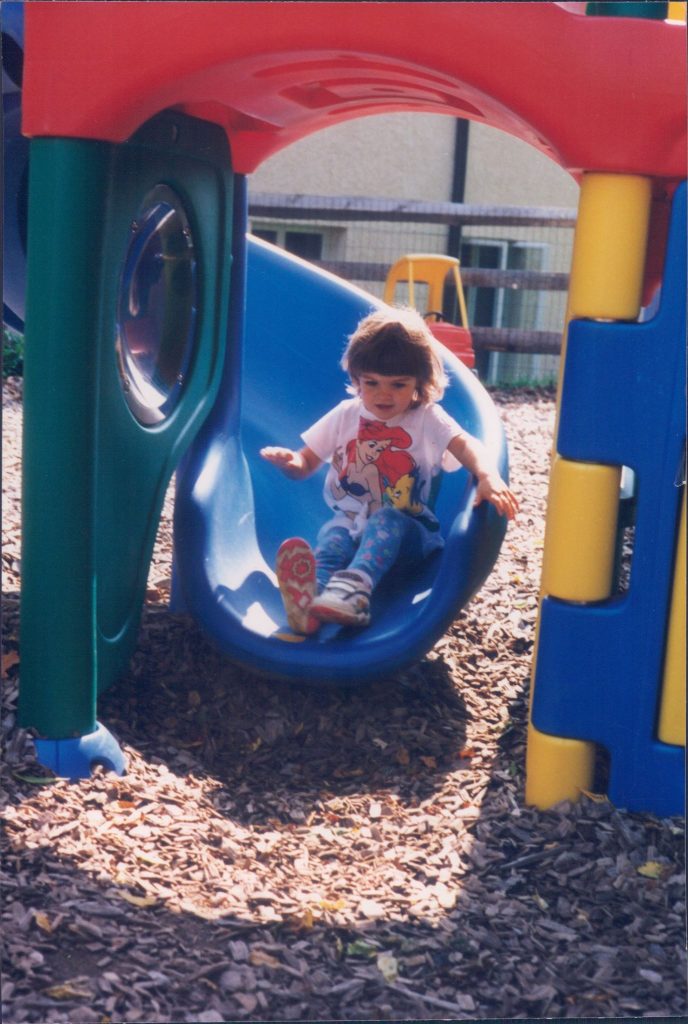
KenCrest’s growth was more than strategic—it was fueled by love. In 2004, the organization opened the West Early Learning Center on Elmwood Avenue, expanding access to high-quality early education, while a generous gift from the Davenport Family Foundation helped build a new playground at the West Center, where children could laugh, climb, and play safely under open skies. That same year KenCrest opened its first residential home for school-age children who were both medically fragile and developmentally delayed—a place where complex medical needs were met with compassion and where childhood could still flourish.
2006
In 2006 KenCrest received a $4,610 grant from the Rite Aid Foundation to purchase augmentative and alternative communication devices for children who are medically fragile in transitional care homes. The grant may have been small, but its impact was profound, ensuring that even those with the most limited speech could still have a voice. It meant being seen, heard, and understood.
Through every program, every transition, and every initiative during these years, McFalls led with clarity, kindness, and unwavering purpose. He understood that real growth isn’t just about numbers—it’s about people.
Under McFalls’ leadership, KenCrest became more person-centered, more responsive, and more deeply connected to the people that it served. Staff were empowered to innovate. Families found hope and partnership. And the organization's mission—to help every individual live with dignity, independence, and possibility—was not just preserved, but elevated. As KenCrest approached its centennial celebration, it shone as an example of care, compassion, and forward-thinking leadership.
2011
Massive change came in 2011, when KenCrest acquired Lynch Homes, a family-owned and operated agency that had been serving people who are medically fragile for over 77 years. Henry Lynch, the owner and President of the organization retired, and without any family member available to carry on his work, he chose KenCrest as the place to continue his family’s legacy.
At this time, KenCrest was one of the largest providers of community-based services for people with intellectual/developmental disabilities and autism in Southeastern Pennsylvania, serving over 8,700 people in Pennsylvania, Delaware, and Connecticut. While Lynch homes consisted of 450 consumers, 51 locations, and 500 staff throughout Montgomery, Chester, and Delaware counties. This led to KenCrest expanding to over 2,000 staff members, providing services from 450 sites.34
2016
In 2016 a new chapter began in KenCrest’s long and evolving story: for the first time in its history, a woman stepped into the dual role of President and Chief Executive Officer. That woman was Marian Baldini, a lifelong advocate for people with disabilities, whose leadership style would be defined by collaboration, creativity, and innovation. From the very start, Marian made it known that authentic inclusion was not just something KenCrest practiced; it was what KenCrest stood for. Her approach empowered the organization to evolve organically, fueled by the ideas and talents of the people closest to the work.
2020
When the COVID-19 pandemic struck in 2020, systems strained and uncertainty reigned. But KenCrest met the challenge with courage and creativity, just as it had in 1905 during a different public health crisis. Staff across the organization stepped up to lead: Rose Keho, Executive Director of Healthcare services, served on a regional committee to gather and share resources. Other staff members built a “hugging booth” after learning Boy Scouts had created one, ensuring connection in a time of distance. KenCrest shared freely with other organizations, offering training on mask-wearing, delivering meals door-to-door, and teaching individuals with disabilities how to support others in staying safe.
2025
In 2025, KenCrest marked a major milestone: 120 years of service and impact. The anniversary was celebrated throughout the year with a special community‑wide event honoring the people, partnerships, and progress that have shaped KenCrest’s legacy over more than a century.
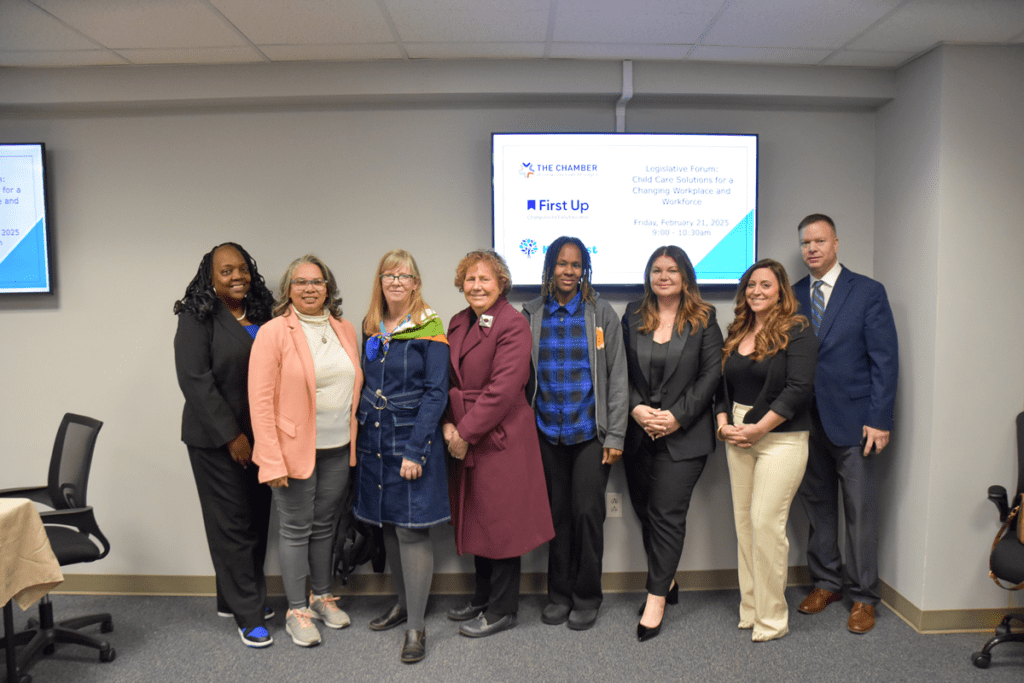
That milestone year also marked an important moment of transition. After years of dedicated leadership, President and CEO Marian Baldini stepped down, passing the helm to Aurora Kripa, who stepped into the role of President and Chief Executive Officer. As KenCrest entered its next chapter, the organization celebrated both its strong foundation and a future focused on possibility, growth, and person‑centered support.
2026
Now, in 2026, KenCrest celebrates its 121st birthday. The nonprofit organization offers person-centered planning and believes everyone should live in a home of their choosing, participate in meaningful employment or activities, be deserving and capable of building genuine relationships, and have access to inclusive community settings.
Our mission is to support community development by exploring possibilities, mobilizing resources, and empowering dreams. With over 2,100 employees, KenCrest serves more than 5,000 individuals in Pennsylvania, Delaware, and Connecticut.
Help Us Explore Possibilities, Mobilize Resources, and Empower Dreams
Read More Stories From KenCrest






Let's Keep in Touch
Join the KenCrest team and stay updated on the latest news in the disability community, inspiring stories, and ways you can help us make a difference in the lives of people with an intellectual or developmental disability.