
Today, it's easy to take community for granted. It's the coworkers who greet us each morning, the neighbors who stop to chat, the coffee shop where we're known by name, or the friends we spend time with on weekends.
Community is often built through everyday connections.
For people with intellectual and developmental disabilities, those opportunities were not always available. Just a few decades ago, many individuals lived in large institutions, separated from their families, neighborhoods, and communities. The idea that people with disabilities should live alongside their peers, make choices about their lives, and participate fully in community life was still gaining traction.
In 1975, a series of landmark changes helped reshape the future of disability services. The passage of the Individuals with Disabilities Education Act expanded access to education for children with disabilities, while the closure of institutions such as Pennhurst accelerated a national movement toward community-based supports. Across the country, organizations began reimagining what disability services could look like, and KenCrest was among those helping to lead that change.
Bringing People Home to Their Communities
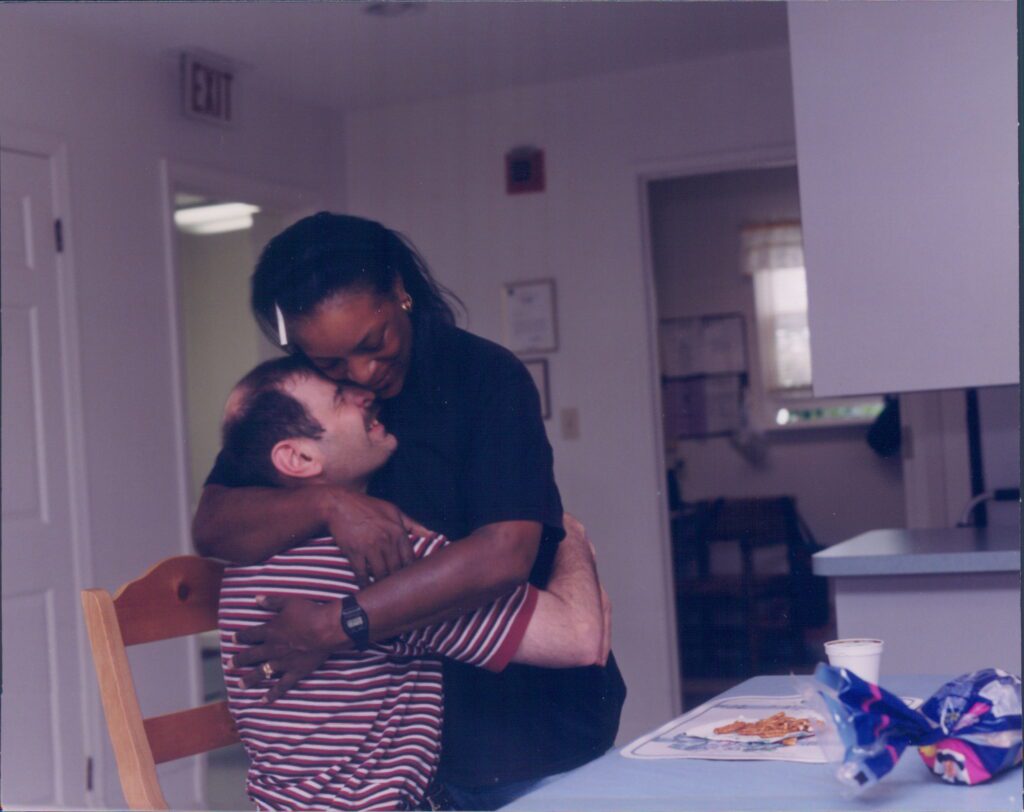
As the movement gained momentum, KenCrest helped establish some of the first community-based homes in Pennsylvania and Delaware. These homes represented a significant shift in thinking. Rather than separating people from their communities, they created opportunities for individuals to live in neighborhoods, build relationships, and participate in everyday life.
What may seem ordinary today was revolutionary at the time. Living in a home within a community meant greater independence, stronger connections, and more opportunities to make choices about daily life.
The concept continued to evolve throughout the 1980s. KenCrest pioneered Lifesharing, a model that offered something different from traditional residential services. Adults with intellectual disabilities could live with host families and become part of family life, sharing holidays, traditions, and everyday experiences. The focus was no longer simply where someone lived, but who they shared their life with and how they experienced belonging.
These innovations helped establish a foundation that continues to shape disability services today: people thrive when they are connected to their communities and supported in ways that reflect their individual needs, goals, and relationships.
What Community Means Today
Today, community living extends far beyond having a place to live.
For some people, community means living in a Community Living Home with roommates and receiving around-the-clock support while remaining connected to neighborhood life. For others, it means living with a Lifesharing family and becoming part of a household built on mutual support and shared experiences. Others choose Supported Independent Living, maintaining their own apartment or home while receiving personalized support that helps them remain as independent as possible.
No matter the setting, the goal is the same: helping people build lives that feel meaningful, connected, and true to who they are.
Community today can look like:
- Having a job and contributing to the workforce
- Spending time with friends and family
- Joining clubs, faith communities, or local organizations
- Volunteering for causes that matter
- Developing new skills and interests
- Speaking up for yourself and making your own choices
- Participating in neighborhood events and activities
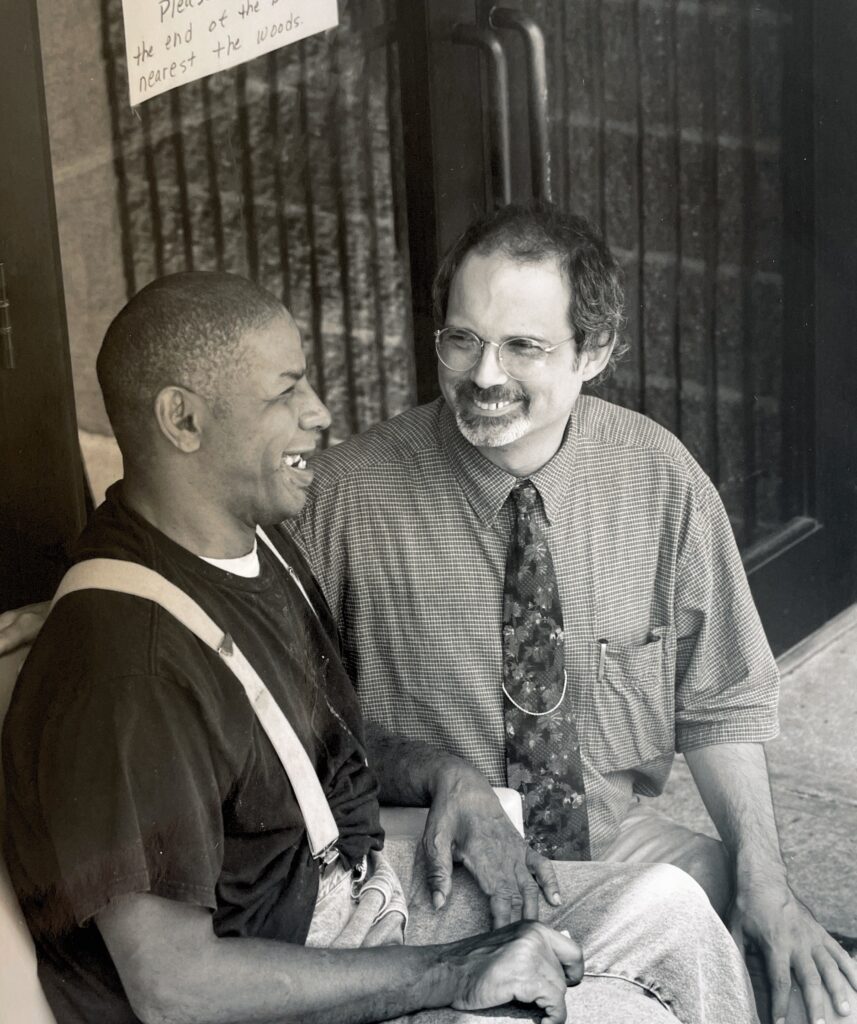
Community is no longer defined by an address. It is defined by belonging. It is found in relationships, shared experiences, personal goals, and the freedom to build a life that reflects who you are.
Nearly 50 years after KenCrest helped pioneer community-based living, the mission remains the same: ensuring that people with disabilities have opportunities to live, work, connect, and thrive in the communities they call home. What began as a movement away from institutions has become something far greater: a commitment to helping people build lives filled with choice, connection, and possibility.
Find the Community That's Right for You
Whether you're exploring Community Living, Lifesharing, or Supported Independent Living, KenCrest can help you find supports that foster independence, meaningful relationships, and a true sense of belonging.