

For one Philadelphia parent, the school day didn’t bring comfort, but dread. Her phone never left her hand. In meetings. In grocery store aisles. Even at lunch. Any vibration could mean another call, another crisis; another call that her preschooler needed to be picked up again.
“My child was expelled from three preschools,” says Dr. Maryann McEvoy, the Vice President of Business Development at KenCrest. “I was in constant fight-or-flight mode, terrified about what was happening at school.”
This is a familiar reality for many families of children with autism and other developmental differences. Preschool expulsion, often triggered by challenging behaviors, is more than a disruption; it’s a destabilizing trauma that ripples through entire households.
“My husband actually lost his job at one point,” she says. “Preschool suspension has ripple effects that extend far beyond a missed school day. For young children, it can shape how they view school and themselves. For families, it often means scrambling for care, missed work, and difficult choices that no family should have to make because a four-year-old is struggling. These early experiences matter, and they demand early, compassionate support.”
At the center of the conflict wasn’t a lack of love or effort. It was a system unprepared to support young children navigating big emotions, trauma, or unmet needs, one that too often responds to behavior with removal instead of understanding.
When Support is Missing, Everyone Feels It
For families like Maryann's, the reality of preschool expulsion is more than just statistics; it’s a daily struggle that shapes the lives of both children and adults. When a child is suspended or expelled from preschool, their future can be profoundly affected. Research shows that these children are at higher risk of distrusting authority, disengaging from school, and facing academic challenges later on. Meanwhile, teachers, often expected to manage increasingly complex behaviors, find themselves overwhelmed and unsupported, lacking the resources or training to respond effectively.
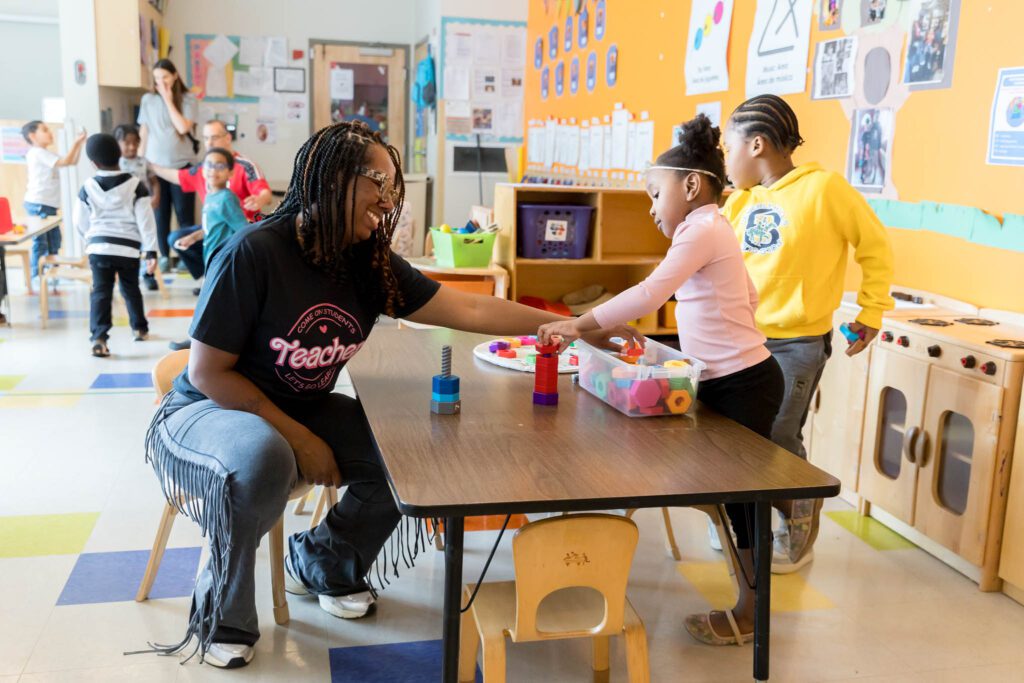
KenCrest’s SWIFT Support program was designed to meet families and educators at this critical crossroads, before a child is pushed out of the classroom. Instead of removing children in crisis, SWIFT offers trauma-informed support right inside preschool classrooms. Rather than treating behavior as willful misbehavior, the approach looks at what a child may be reacting to and helps adults respond in ways that calm the child and build stability. Specialists work hand-in-hand with teachers, seeking to understand the reasons behind challenging behaviors and finding solutions that keep children regulated, connected, and learning.
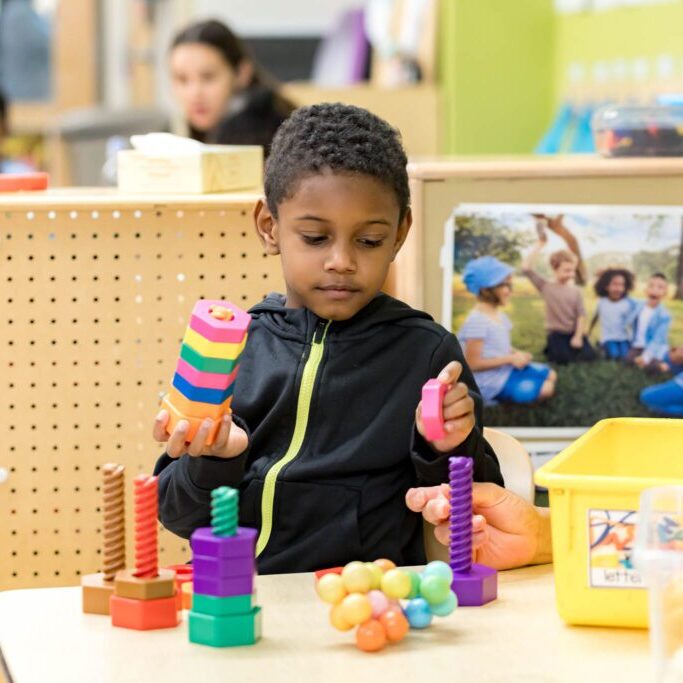
“We teach teachers that just because a child is struggling, it doesn’t mean they’re failing,” says Erin Donahue, leader of the SWIFT program. “It’s about understanding how a child feels and helping them communicate safely.” She recalls one teacher who dreaded transition time. “When we realized the child became upset because he couldn’t choose his activity, we let him choose. He transitioned beautifully. It was a lightbulb moment.” Small, person-centered changes like these help transform moments of frustration into opportunities for empathy and growth.
SWIFT’s instructional approach is short-term but impactful, offering up to ten hours of focused support in each classroom, especially during mornings, transitions, circle time, and free play—the busiest and most challenging parts of the day. Specialists observe and model strategies in real time, coaching teachers through moments that might otherwise feel overwhelming. At the heart of the program is a powerful shift in perspective: challenging behavior isn’t defiance—it’s communication.
But in 2023, SWIFT’s reach was limited when Pennsylvania shifted to state-funded rapid response grants for early childhood behavioral support, which meant that now services depended on short-term, grant-based funding rather than an ongoing support model. When those funds expired in December and weren’t renewed, many schools—and the families they serve—were left without the help they desperately needed.
From Crisis Response to a Growing Movement
A new grant from the William Penn Foundation is helping KenCrest close that gap and build something stronger in its place, giving parents like Dr. Maryann McEvoy, and so many others facing the threat of preschool expulsion, a real lifeline.
The funding allows KenCrest’s SWIFT specialists to visit classrooms in Philadelphia to provide direct support for children most at risk. For families who have lived through the anxiety of constant phone calls and emergency pickups, this means fewer moments of dread and more opportunities for stability. Now, instead of fearing another expulsion, parents can see their children welcomed and supported.
But the impact goes deeper. The grant also fuels long-term change by launching a Educator Certification Program that spans 12 months and, beginning in January, will allowup to 30 Philadelphia schools to each send one person—often a leader who understands the daily realities of families—to receive in-depth SWIFT Support training in trauma-informed practices, co-regulation, and relationship-based behavior support. This investment means that expertise will live within the 30 Philadelphia schools’ walls, making help immediate and sustainable for every child and parent in need.
"For me, it’s exciting. The biggest thing is that it’s filling a need that was always there. I saw what was happening to kids and families, and how devastating it was. To see that need now being addressed, with kids being more successful and families able to relax a little, it really means a lot to me, and it continues to mean a lot as I see what’s happening."
Roseann Adamo, creator of the SWIFT Support program
For Maryann and parents like her, this kind of support is transformative. In a preschool community that chooses empathy over exclusion, children who were once seen as problems are finally understood. “He was embraced. He was accepted,” she shares about her son’s experience. “For the first time, I felt safe.” That sense of safety lets families begin to heal, turning school into a place of trust, not trauma.
Today, her son is nine years old, thriving in school, playing hockey, and making lasting friendships. The lessons he learned, belonging, support, and the chance to succeed, have redefined both his and his family’s future. For all the parents who have lived in fear, the William Penn Foundation’s grant offers hope: a pathway towards healing, connection, and a promise that no child will be left behind.
Though the Foundation’s funding is dedicated to Philadelphia, it provides the stability KenCrest needs to strengthen and grow SWIFT’s reach. Already, the program has expanded beyond the city, with services active in Maryland and new beginnings in New Jersey. As the training and certification grow, more parents and children will benefit from a support system designed to meet them where they are, offering not just intervention, but belonging.
For KenCrest leaders, the hope is that SWIFT will become the norm: a standard, not an exception, woven into how early childhood education understands and uplifts every child and family. It’s a future where preschool expulsions are rare, teachers feel equipped, and parents like Maryann can finally put down their phones, confident their children are safe and supported.
Check Out The Rest of KenCrest's Possibilities Magazine!
Let's Keep in Touch
Join the KenCrest team and stay updated on the latest news in the disability community, inspiring stories, and ways you can help us make a difference in the lives of people with an intellectual or developmental disability.