

When Matt moved into his KenCrest Community Living home, he was stepping into something new: unfamiliar people, new routines, and a place where he could begin shaping a life that reflected who he is. Like anyone entering a new home, he needed time to learn the space, understand the rhythm of the day, and decide what helped him feel comfortable.
What mattered most was that Matt’s home would be built around him: his preferences, his pace, and the routines and relationships that matter to him.
That is the foundation of KenCrest’s Community Living Homes.
Across Pennsylvania, Delaware, and Connecticut, KenCrest supports adults with intellectual or developmental disabilities in small, neighborhood-based homes designed to feel familiar, welcoming, and connected to everyday community life. Support can include daily routines, communication, behavioral or medical needs, nursing coordination, relationships, work, recreation, and community involvement.
For Matt, that meant moving into a home where support was not one-size-fits-all, but shaped around his choices, health, routines, goals, and sense of belonging.
In everyday life, that can mean helping someone get ready for the day, plan meals, manage appointments, build communication, or stay connected to work, activities, family, and friends. It can also mean knowing when to step back, listen, and let the person set the pace.
For Matt, that support started the day he moved in.
“He moved in at four o'clock that same day,” Ryan Abner, a KenCrest Program Manager in Residential Services, said. “They got their boots on the ground, and then made it happen.”
Don Theagene, a Direct Support Professional at the home, said the team's first priority was helping Matt feel comfortable. Staff gathered what he needed, including clothing and linens, so his first night could begin with familiar essentials already in place.
Those early details mattered. They helped turn a move-in day into the beginning of a routine, giving Matt a sense that this new place could become his own.
In the days that followed, staff focused on learning his routines and preferences as he settled in.
Staff gave Matt space when he needed it, stayed close enough for him to know support was there, and paid attention to the ways he communicated what felt right.
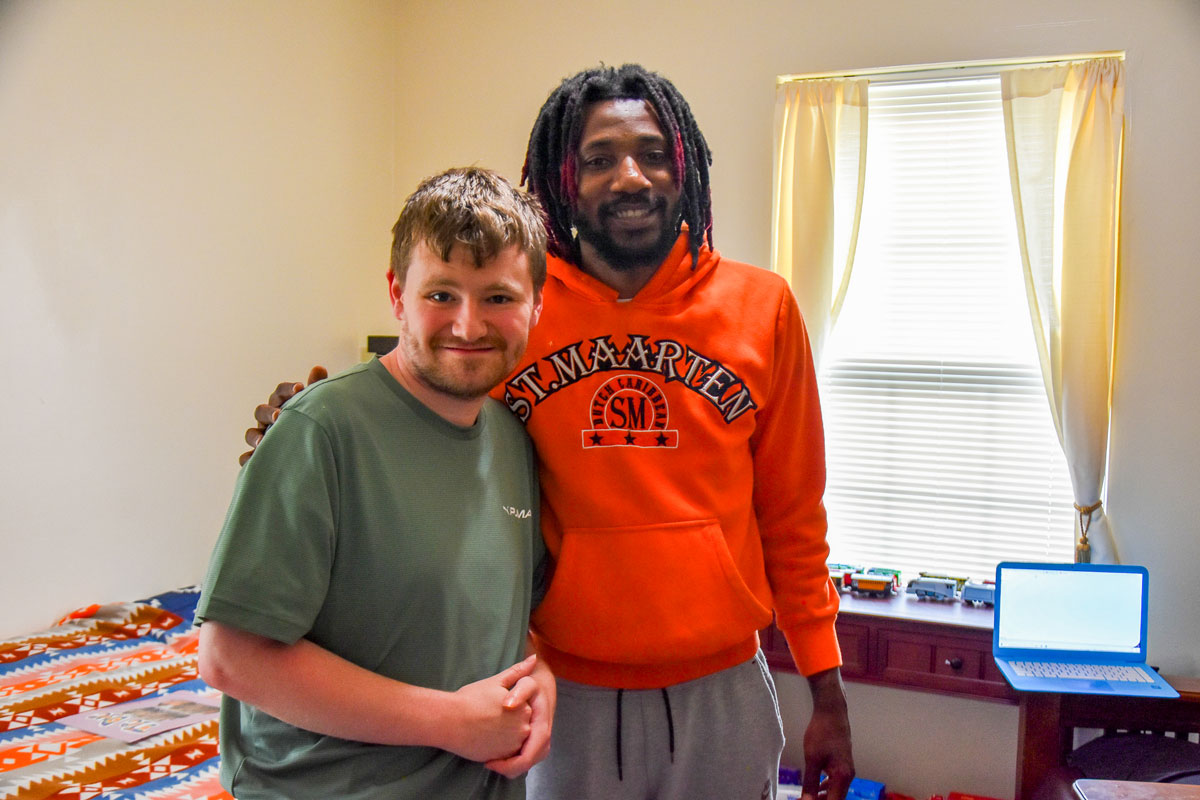
For Matt, person-centered support meant following his lead. Staff noticed what helped him feel comfortable, paid attention to what he enjoyed, and supported the choices he made throughout the day instead of making decisions for him.
As Matt grew more comfortable, he began sharing more of what he wanted and needed.
He let staff know when he was ready for personal care and what he wanted to eat. During the week, he continues going to his day program. On weekends, he is often out in the community, whether he is bowling, training with Special Olympics, or spending time with a longtime family friend.
Together, those routines show what Community Living can make possible: a home where support strengthens independence and helps daily life feel more connected, active, and his own.
“If you look at him now … he's more open, more vocal,” Ryan said. “It shows that he's more comfortable, he's more familiar with staff.”
Ryan sees Matt in a good place now, surrounded by people who know him well and support the life he wants to build. The change has happened in steady, everyday moments: staff learning his preferences, Matt becoming more comfortable speaking up, and his home becoming a place where he can be himself.
At the end of the day, he returns home to a place that has become familiar, comfortable, and distinctly his own.
Interested in learning more?
Read More Stories From KenCrest









Let's Keep in Touch
Join the KenCrest team and stay updated on the latest news in the disability community, inspiring stories, and ways you can help us make a difference in the lives of people with an intellectual or developmental disability.