Blogs

Support a Family In Need This Holiday Season
Support a Family in Need This Holiday Season For over 25 years, KenCrest's Family Fund has helped support thousands through...

Shining a Light on Down Syndrome Awareness Month
Shining a Light on Down Syndrome Awareness Month Learn about Down Syndrome Awareness and how KenCrest assists PA, DE, and...
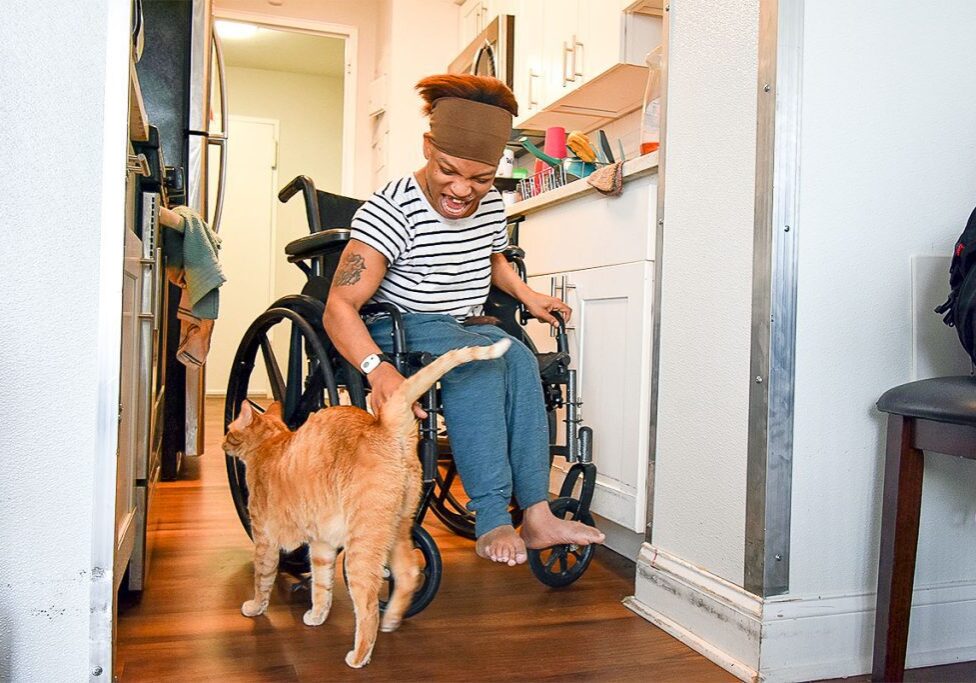
5 Things You Should Know About Supported Independent Living
5 Things You Should Know About Supported Independent Living Learn how Supported Independent Living helps adults with intellectual and developmental...
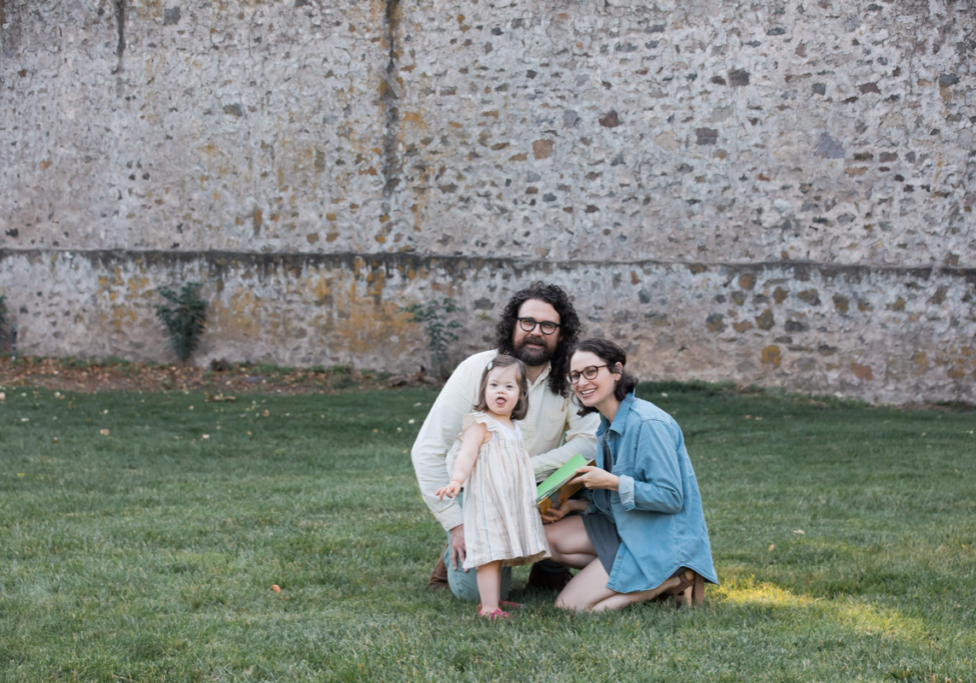
What Is Lifesharing? Real Stories of Family and Belonging
What Is Lifesharing? Real Stories of Family and Belonging This Lifesharing Awareness Month, explore stories of people, families, and providers...
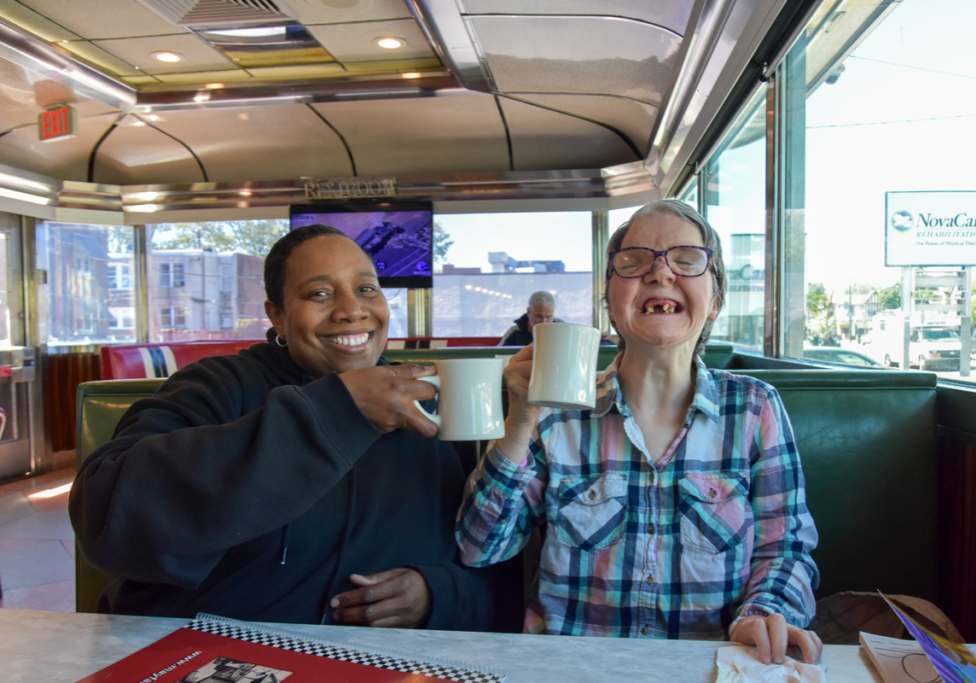
Belonging Supports Mental Health
Belonging Supports Mental Health Explore how relationships, choice, purpose, and community connection support well-being this World Mental Health Day. By...
What Disability Employment Makes Possible
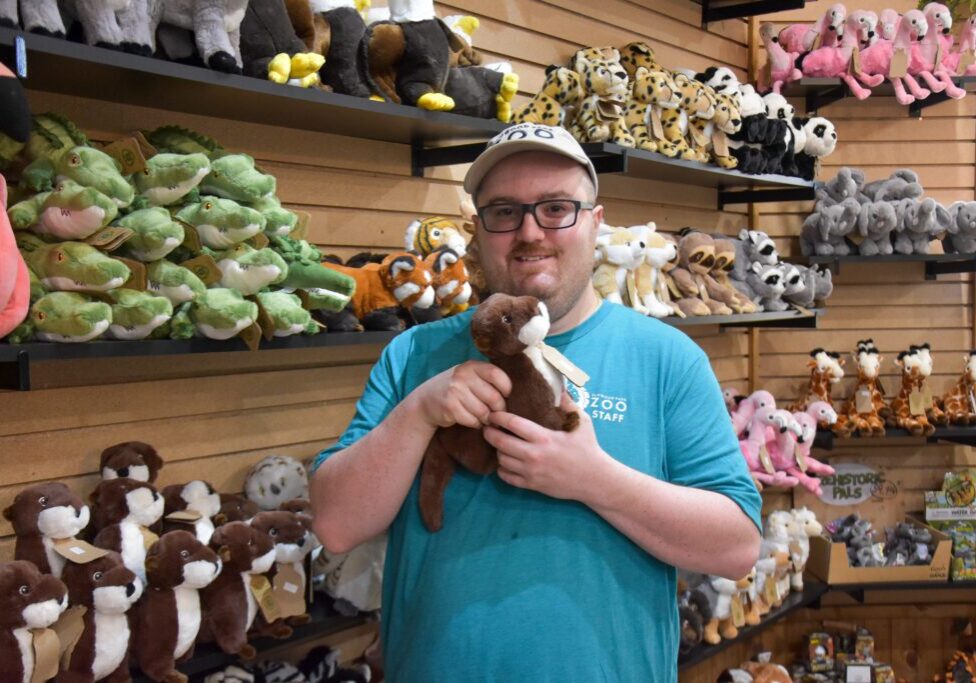
What Disability Employment Makes Possible Discover how meaningful employment helps people with disabilities build confidence, independence, and connection while pursuing...
Community Living for Adults with Disabilities: Then and Now
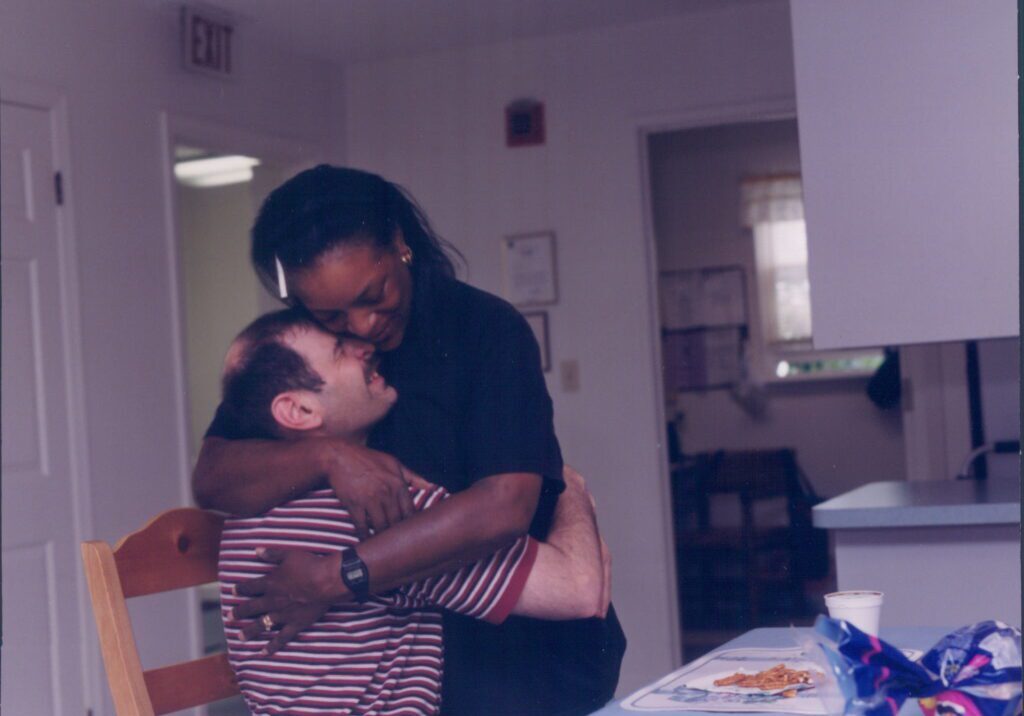
What Does Community Look Like Today for Adults with Intellectual Disabilities? Nearly 50 years ago, community living meant leaving institutions...

Finding Purpose Through Giving
Finding Purpose Through Giving Discover why Jim and Mary Jane Brenneman have spent decades supporting KenCrest and creating opportunities for...

Why Accessible Elections Matter for People with Disabilities
Why Accessible Elections Matter for People with Disabilities Every vote matters. During Disability Voting Rights Week, we celebrate the power...

Join Our Newsletter
Join the KenCrest team and stay updated on the latest news in the disability community, inspiring stories, and ways you can help us make a difference in the lives of people with an intellectual or developmental disability.